Updated August 2026 · Nutrition · 8 minute read
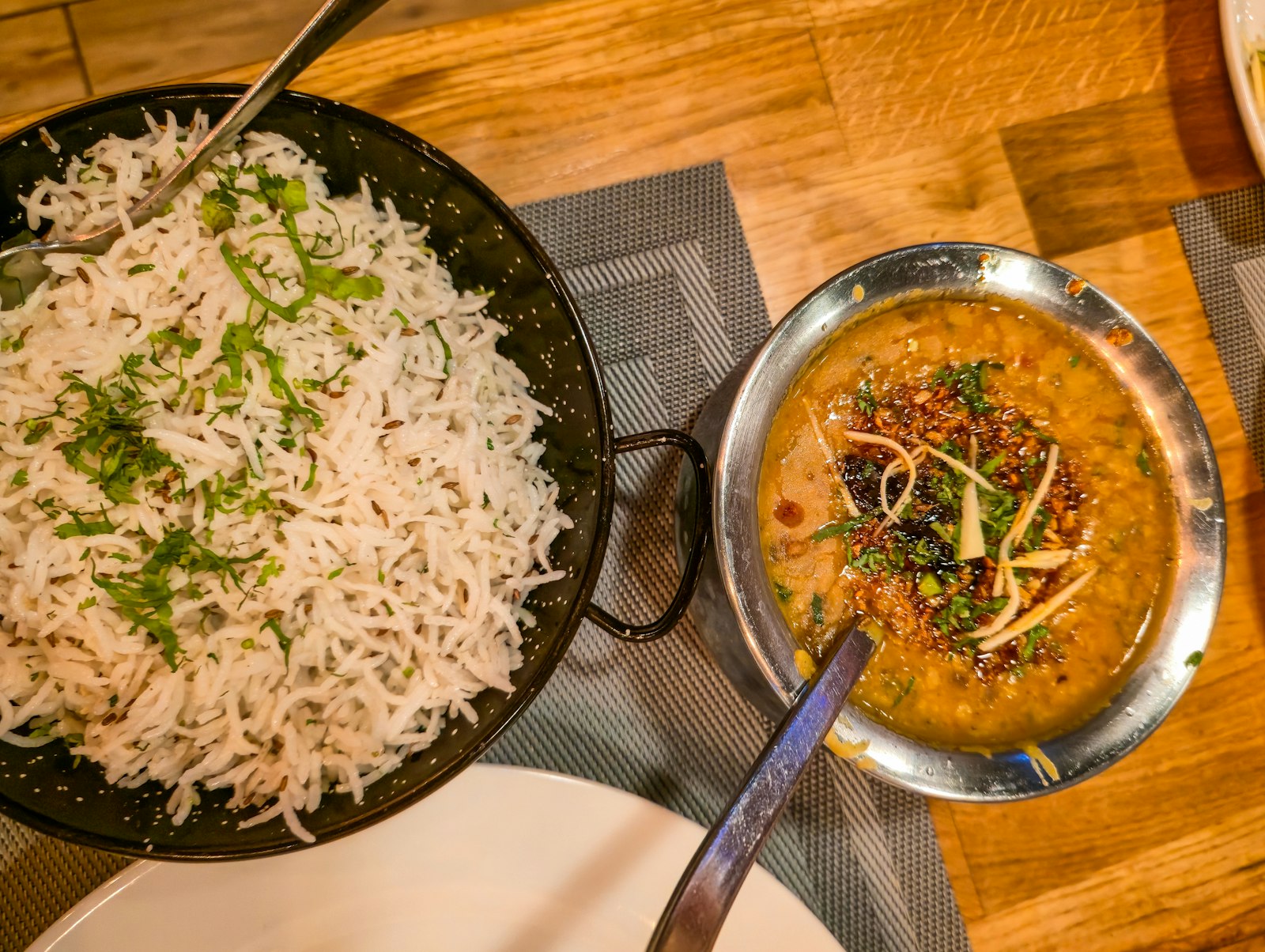
Ask almost anyone in Dhaka what a “proper meal” looks like and the answer arrives quickly: a generous mound of rice, a bowl of dal, a fish or chicken curry, and perhaps a bhorta or bhaji on the side. It is comforting, affordable and deeply familiar. It is also a plate that, for many of us, has drifted out of balance with how we actually live. Most office workers in Gulshan, Motijheel or Uttara now sit for eight to ten hours a day, yet still eat portions designed for people who once spent the day farming, walking or carrying loads.
The good news is that a healthier plate does not require imported superfoods or giving up bhat. It mostly requires changing the proportions of foods you already buy at the local bazar. This guide walks through a simple, realistic way to do that.
Start with the half-quarter-quarter rule
Picture your plate divided into sections. Half of it should be vegetables: shak, lau, potol, begun, cauliflower, beans or a mixed sabji. One quarter is your starch, usually rice or ruti. The final quarter is protein: fish, eggs, chicken, dal thick enough to stand a spoon in, or chickpeas. This single visual cue does more for long-term health than any detox plan, because it quietly lowers excess refined carbohydrate while raising fibre, vitamins and satiety.
For most adults with desk jobs, a reasonable rice portion is roughly one to one-and-a-half cups of cooked rice per meal, rather than the two or three cups that often land on the plate. If you are doing heavy physical work, training seriously or are still growing, you will need more. The point is not a strict number; it is matching fuel to activity.
Make dal work harder for you
Masoor, mug and chola dal are excellent sources of plant protein and soluble fibre. The problem is that dal is often cooked so thin that it functions more like a soup for the rice than a protein in its own right. Try cooking it slightly thicker and serving it in a proper bowl rather than ladling it over rice. Adding chopped spinach, lau or tomato to the dal is an easy way to slip in another vegetable serving without cooking an extra dish.
- Mix your lentils. Combining mug and masoor gives a better texture and a broader nutrient profile.
- Watch the tempering. A tarka with one or two teaspoons of oil delivers the flavour; four tablespoons mostly adds calories.
- Keep leftovers useful. Thick leftover dal makes a quick, protein-rich breakfast with ruti.
Fish is your quiet advantage
Bangladesh has one of the richest fish cultures in the world. Small fish such as mola, kachki and puti are eaten whole, bones and all, which makes them a valuable source of calcium and micronutrients. Larger fish like rui, pangas and ilish provide high-quality protein, and oily fish contributes omega-3 fats. If you are choosing between a deep-fried snack and a modest piece of curried fish, the fish wins every time.
The oil and salt question
Two of the biggest hidden contributors to poor heart health in South Asian diets are cooking oil and salt. Many households use far more soybean or mustard oil than recipes require, and salt is added during cooking, again at the table, and through pickles and chanachur. A few practical changes help:
- Measure oil with a spoon for one week so you can see how much you actually use.
- Use non-stick or well-seasoned pans that need less oil.
- Taste before adding salt at the table, and keep pickles as an occasional treat rather than a daily side.
- Lean on lemon, green chilli, coriander and mustard paste for flavour instead of extra salt.
A sample rebalanced day
Breakfast: two atta ruti with mixed vegetable bhaji and a boiled egg. Mid-morning: a guava or a banana with a handful of peanuts. Lunch: one cup of rice, a thick bowl of mug dal with spinach, a piece of rui curry, cucumber and tomato salad. Afternoon: cha with less sugar and a small portion of muri with chopped onion and chilli. Dinner: smaller than lunch, perhaps ruti or a little rice with chicken and a large portion of lau or potol.
When to get personal advice
This article offers general guidance for healthy adults. If you live with diabetes, kidney disease, high blood pressure or are pregnant, your needs may be quite different. Speak to a registered doctor or a qualified nutritionist before making major changes, and bring a photo of what you normally eat so the advice can be built around your real plate.
Daily Vita Pulse content is for general education and is not a substitute for professional medical advice. Read our disclaimer and editorial standards. Explore more practical eating guides on our Nutrition hub.