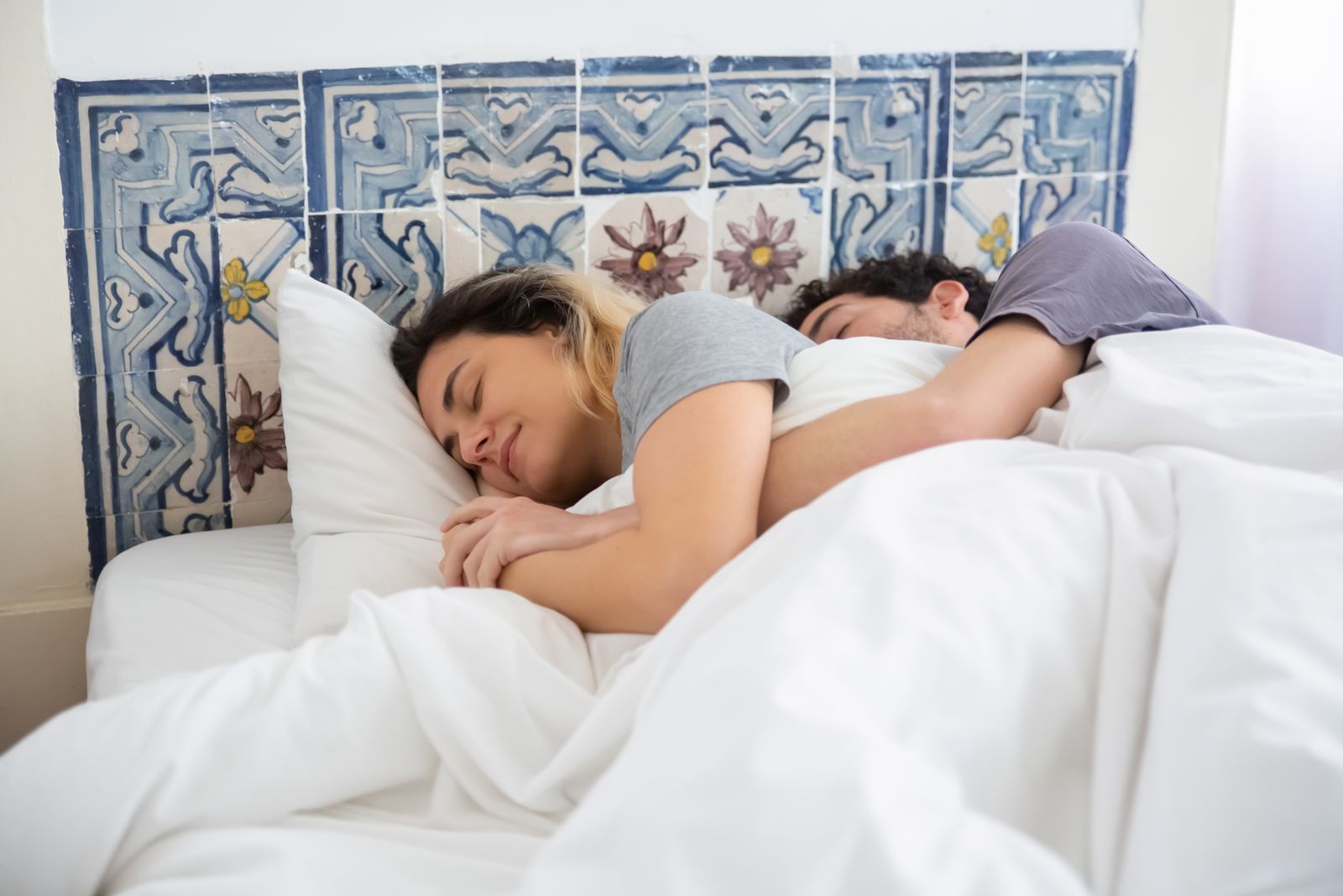
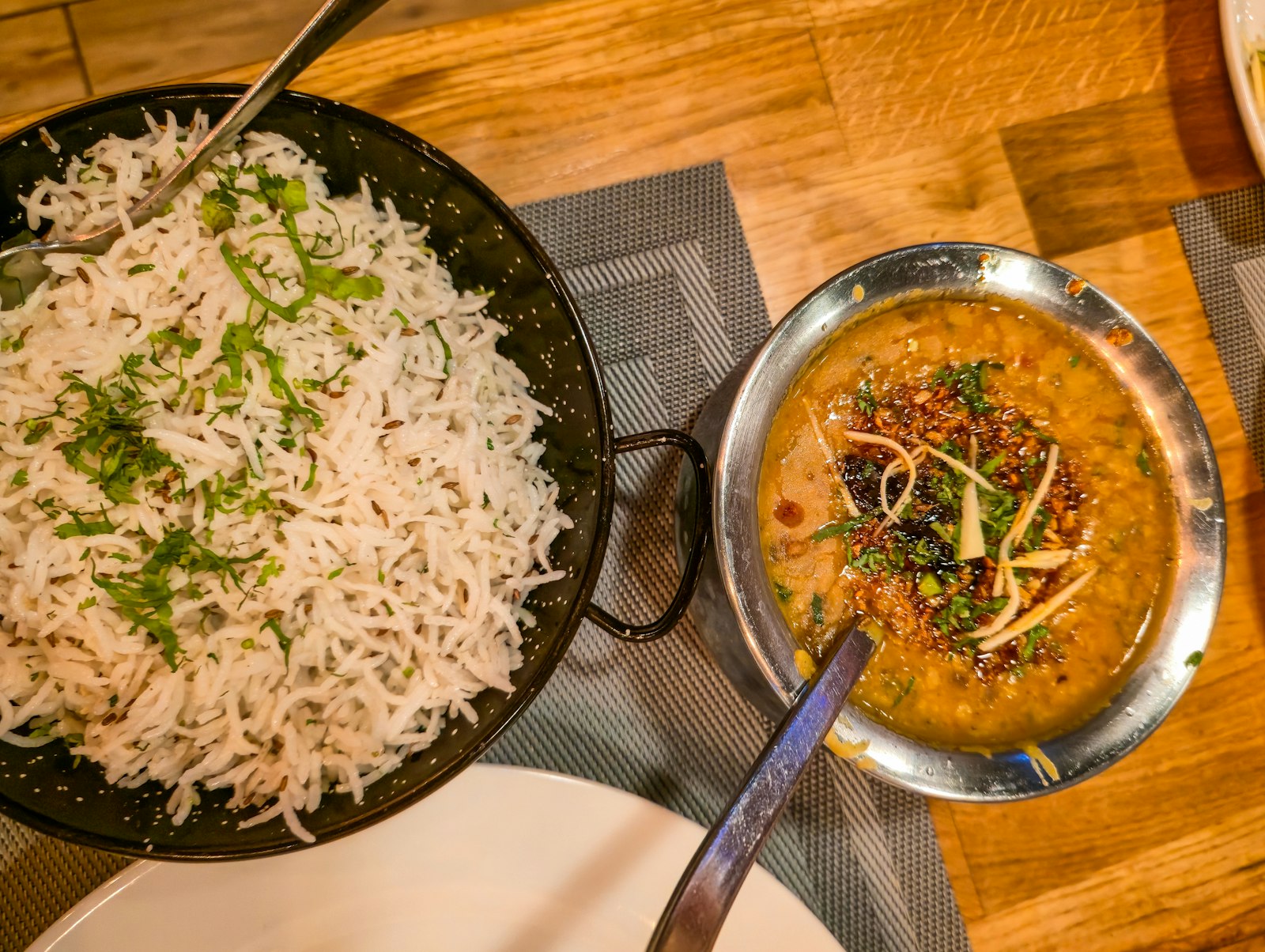

Daily Vita Pulse is a health and fitness journal written from Dhaka. We turn trustworthy research into practical routines you can keep: how to move more in a city built for traffic, how to rebalance a rice-and-dal plate, and how to sleep properly when the day never seems to end.
The numbers we write around
150 min
The minimum adult target in global physical-activity guidelines, plus two strength days.
7–9 h
Most adults function best with seven to nine hours of regular, good-quality sleep.
5 a day
At least 400 g of fruit and vegetables daily, roughly five fist-sized portions.
5 g
Less than one level teaspoon of salt a day, including salt hidden in pickles and snacks.
Four pillars
Health advice online is loud, contradictory and often written for somebody else’s climate, cuisine and budget. We keep our focus narrow on purpose: movement, food, rest and the mind, explained in the context of everyday life in Bangladesh.
01
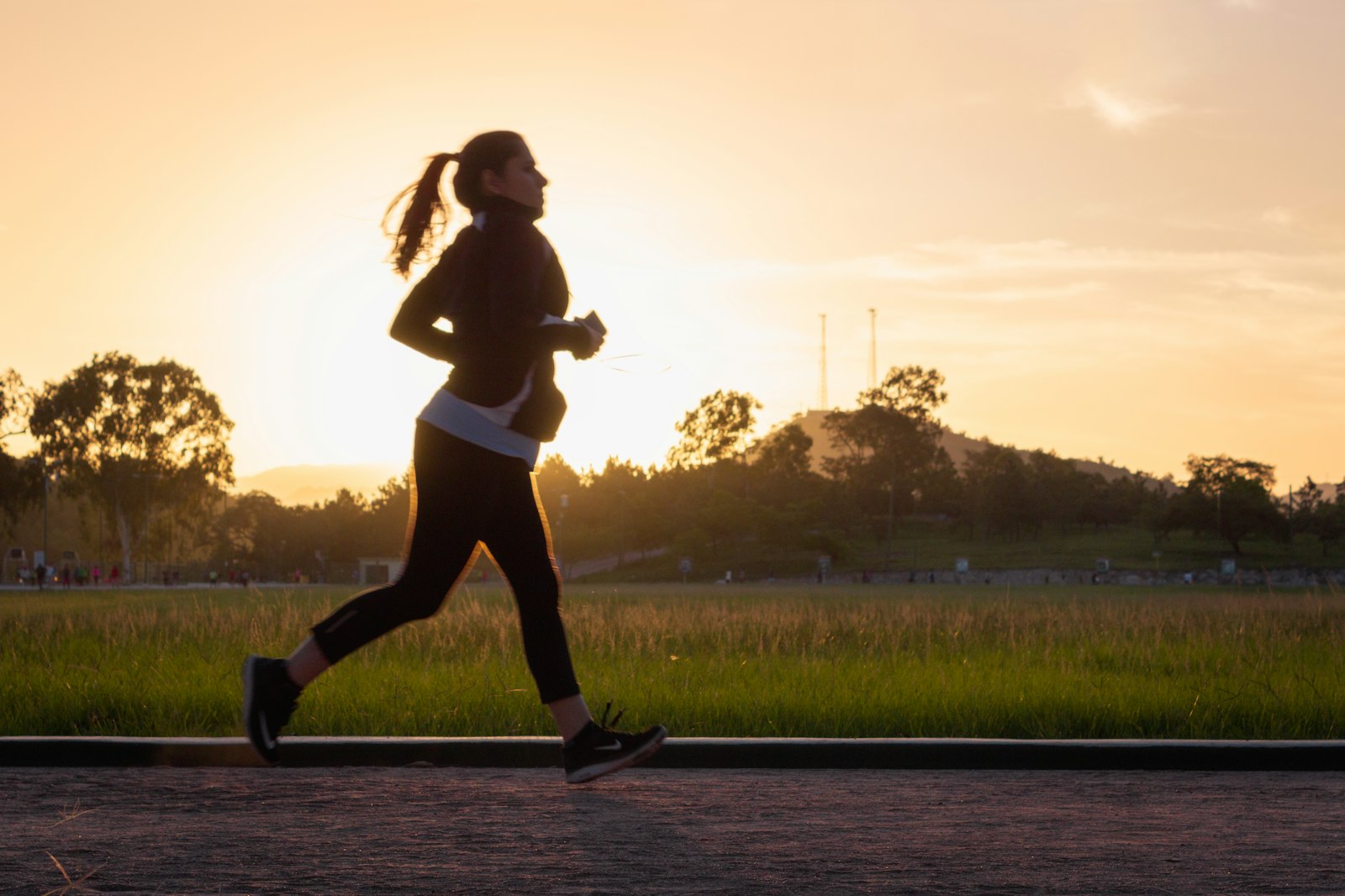
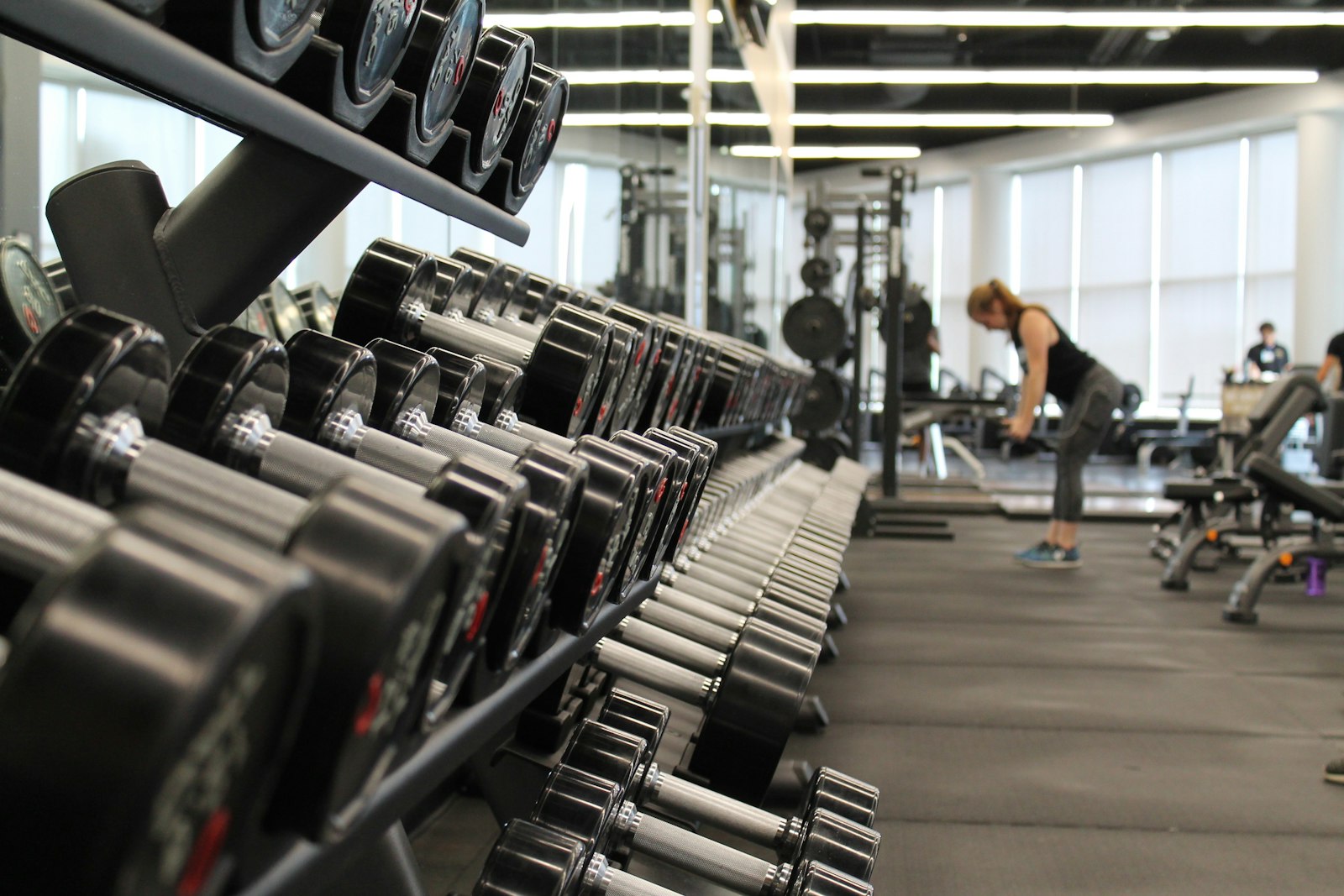
Walking plans, home strength routines, stair workouts and heat-safe training that fit around a long commute and a busy family week.
02
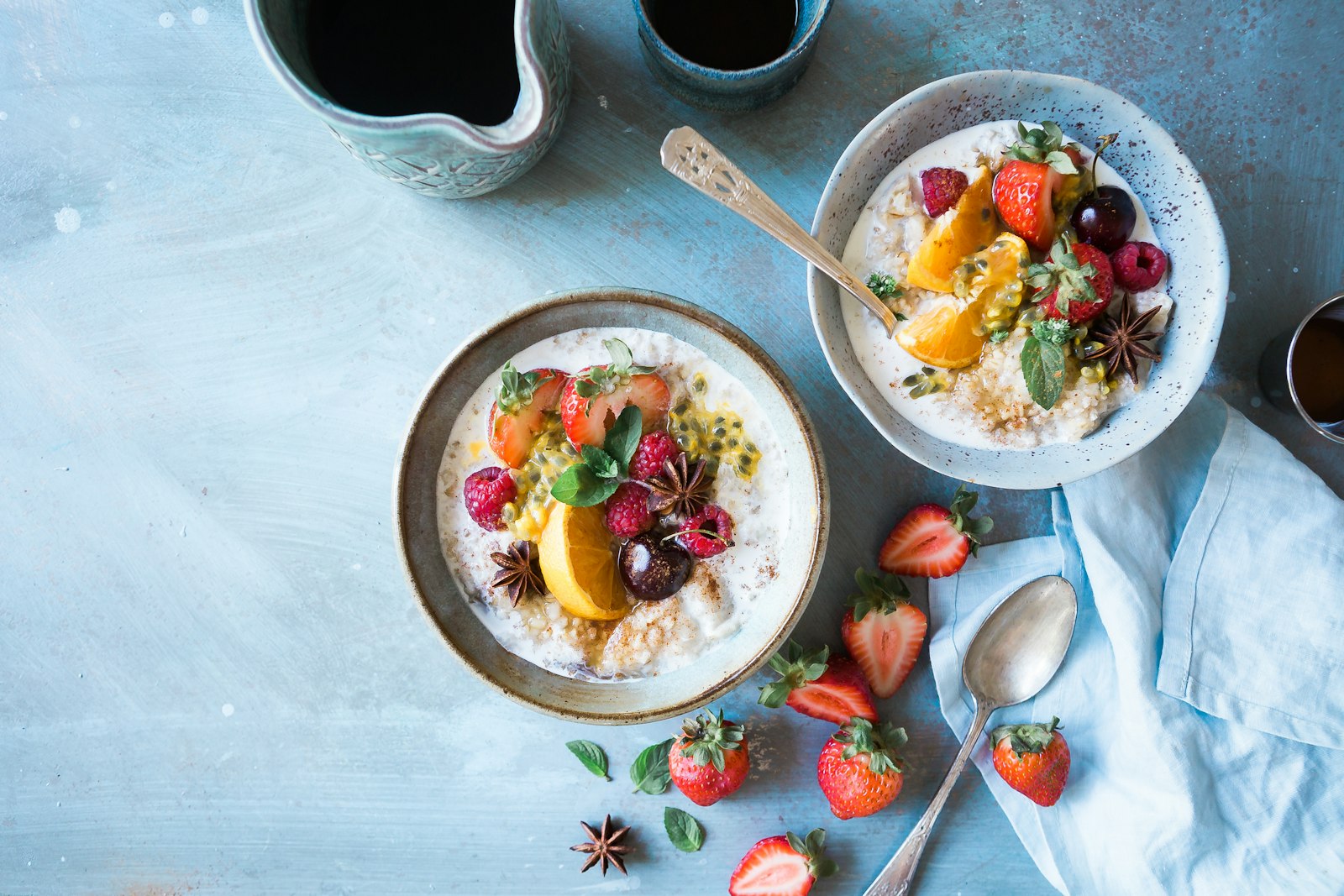
How to balance rice, dal, fish and vegetables, manage oil and salt, eat well during Ramadan and shop the bazar with confidence.
03
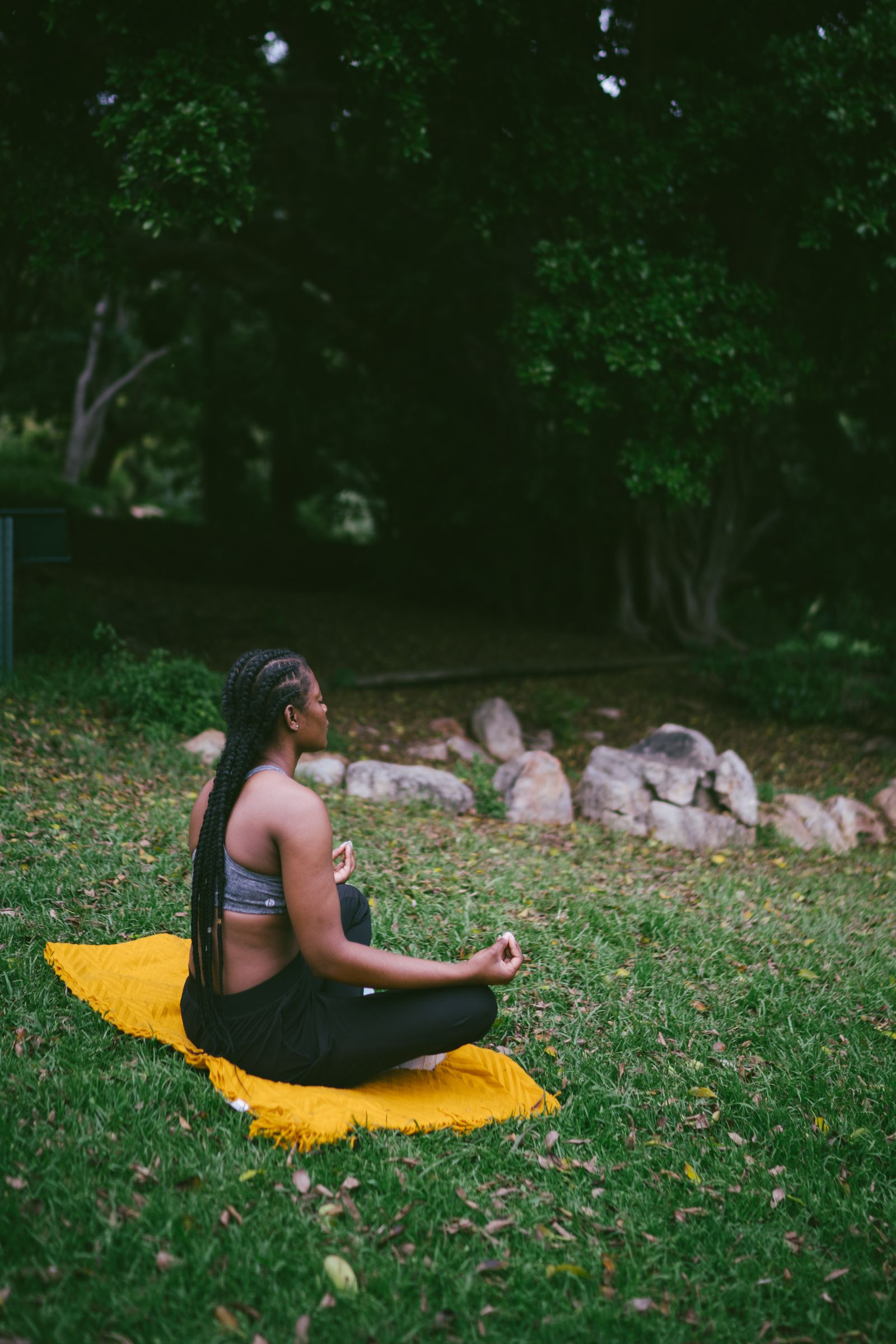
Breathing techniques, journaling prompts and honest guidance on when stress needs professional support.
04
Consistent sleep schedules, quieter bedrooms, lighter dinners and recognising the medical causes of constant tiredness.
From the journal
Nutrition · 8 min read
You do not need to give up bhat to eat well. Rebalance the everyday plate with more vegetables, better protein and portions that match how active you really are.
01
02
Mind & Sleep · 8 min
03
Nutrition · 6 min
04
05
Mind & Sleep · 7 min
The Daily Vita method
We would rather you change one habit for good than ten habits for a weekend. Every guide ends with a small, specific experiment you can run in your own home and a simple way to judge whether it helped.
Short, plain-language guides that explain what the research says, what it does not say, and where the advice comes from.
One change at a time, for fourteen days: a fixed wake-up time, a lunchtime walk, or half a plate of vegetables.
Tick a calendar, rate your energy, notice your sleep. Keep the habits that earn their place and drop the rest.
A letter from the editorial desk
When we started Daily Vita Pulse, we kept hearing the same thing from friends, colleagues and family: the advice they found online was written for people who live somewhere else. It assumed cool mornings for jogging, supermarkets full of imported produce and evenings free for the gym.
Life in Dhaka is different. Many of us leave home before eight and return after dark. We eat with our families, celebrate with food and share the city with millions of others. So we write for that life, with patience and without judgement. If you have a question you would like us to answer, our inbox is always open.
— The Daily Vita Pulse editorial team, Gulshan
Myth or evidence?
Straight answers to the claims that circulate in family WhatsApp groups and social feeds. Each answer links to a longer guide in our journal.
No. Rice can sit comfortably in a healthy diet. What matters more is the portion size, what fills the rest of the plate and how active you are. Most desk-based adults do well with one to one-and-a-half cups of cooked rice per meal alongside plenty of vegetables and a good protein source.
Not necessarily. Sweat mainly reflects temperature, humidity and your own physiology. In Dhaka’s humid months you will sweat heavily even on an easy walk. Judge effort by breathing and how hard the work feels, and replace the fluid you lose.
Your liver and kidneys already handle detoxification. There is little good evidence that commercial detox teas or juice cleanses improve health, and some contain laxatives that can cause dehydration. Spend the money on vegetables and fruit instead.
Partly, but not fully. Long weekend lie-ins shift your body clock and can make Sunday-night sleep worse. A consistent wake-up time every day is more helpful than trying to repay sleep debt in one go.
Brisk walking counts as moderate activity and has strong evidence for heart and metabolic health. Pair it with simple strength exercises two days a week to protect muscle and bone as you age.
Start this week
Our free 30-day reset walks you through movement, plate balance, hydration and sleep in four gentle weeks, designed around Bangladeshi routines and weather.
The Daily Vita Pulse promise
Every article is researched against trusted public-health sources, reviewed for accuracy and updated when the evidence changes. No miracle cures, no fear-selling.
Daily Vita Pulse is an independent health, fitness and wellness publication based in Gulshan, Dhaka. We translate reliable evidence into practical routines for busy Bangladeshi families.
© 2026 Daily Vita Pulse. All rights reserved.
Content is for general education and is not a substitute for advice from a qualified health professional.