- Home
- /
- Nutrition
Pillar 02 · Nutrition & the local plate
Eat the food you love, in proportions that love you back.
Bangladeshi cuisine is full of nutritional strengths: lentils, leafy shak, small fish, seasonal fruit and fragrant spices. Our nutrition guides help you keep those strengths, trim the excess oil, salt and sugar, and match portions to the life you actually lead.
The balanced Bangladeshi plate
Half, quarter, quarter.
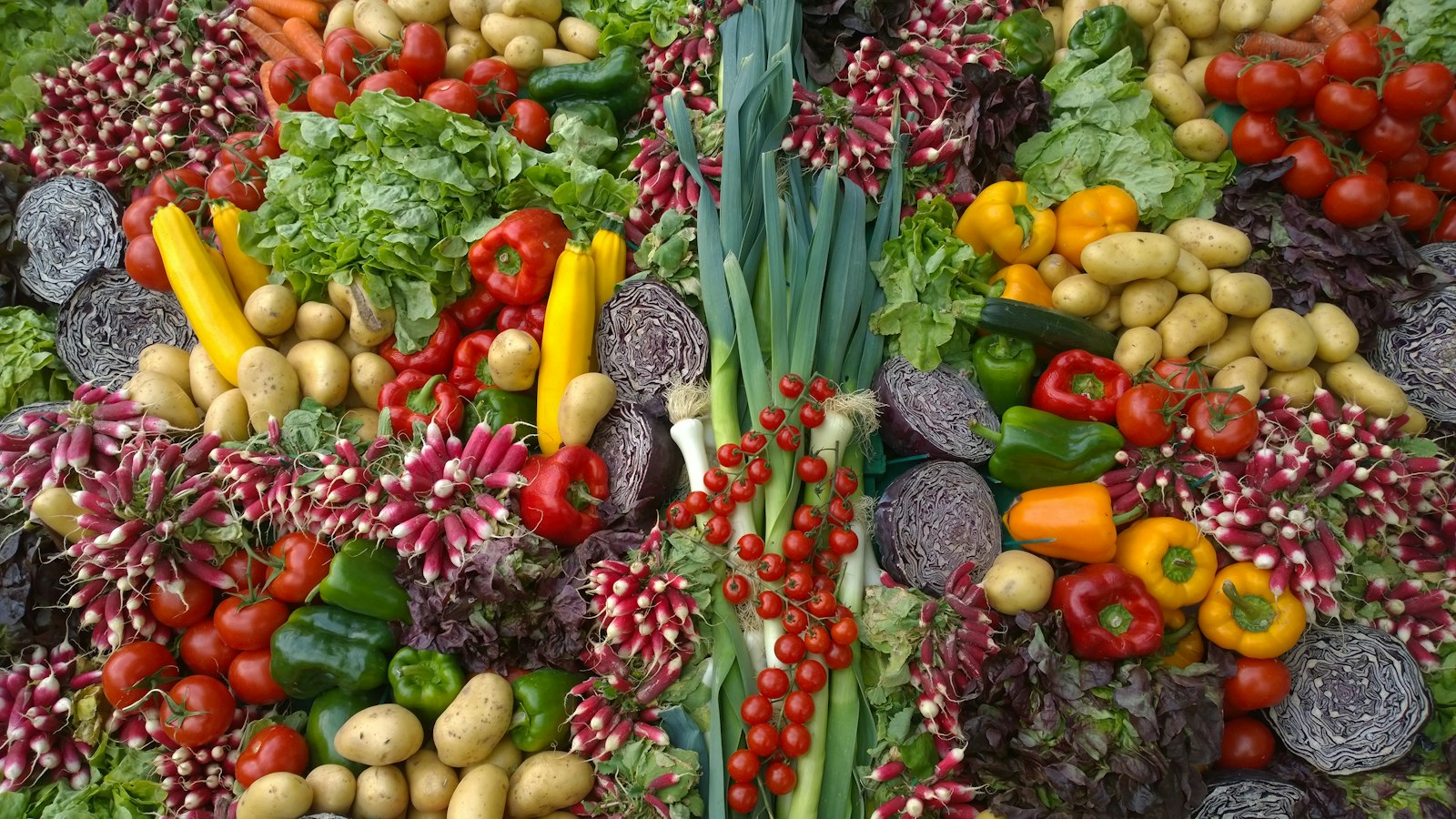
Forget complicated calorie counting. For most adults, the easiest way to eat better is to change what fills the plate. Picture your usual lunch and rebuild it with these proportions. Rice stays; it simply stops crowding everything else out.
For people with diabetes or kidney disease, during pregnancy or for growing children, needs differ, so ask a qualified nutritionist or doctor to adapt the plate for you.
Plus: a small bowl of yogurt or a piece of seasonal fruit, water instead of soft drinks, and oil measured with a spoon rather than poured from the bottle.
Local pantry heroes
Six everyday foods that quietly do the heavy lifting.
None of these are exotic or expensive. Most are already in your kitchen. The trick is to eat them more often and prepare them with a lighter hand.
Lentils (dal)
Masoor, mug and chola are rich in plant protein, fibre, iron and folate. Cook them thick and serve as a main, not a sauce.
Small fish
Mola, kachki and puti eaten whole provide calcium, vitamin A and other micronutrients alongside quality protein.
Leafy shak
Lal shak, palong and kolmi shak bring iron, folate and fibre. Lightly sauté to keep colour and nutrients.
Seasonal fruit
Guava, papaya, amra, jackfruit and bananas are affordable sources of vitamin C, potassium and fibre.
Eggs
An inexpensive, versatile protein. One egg a day fits comfortably into a healthy diet for most people.
Yogurt (doi)
Plain, unsweetened doi supports gut health and adds protein. Choose it over sweetened mishti doi most days.
Weekend meal prep
A ninety-minute Saturday routine for a healthier week.
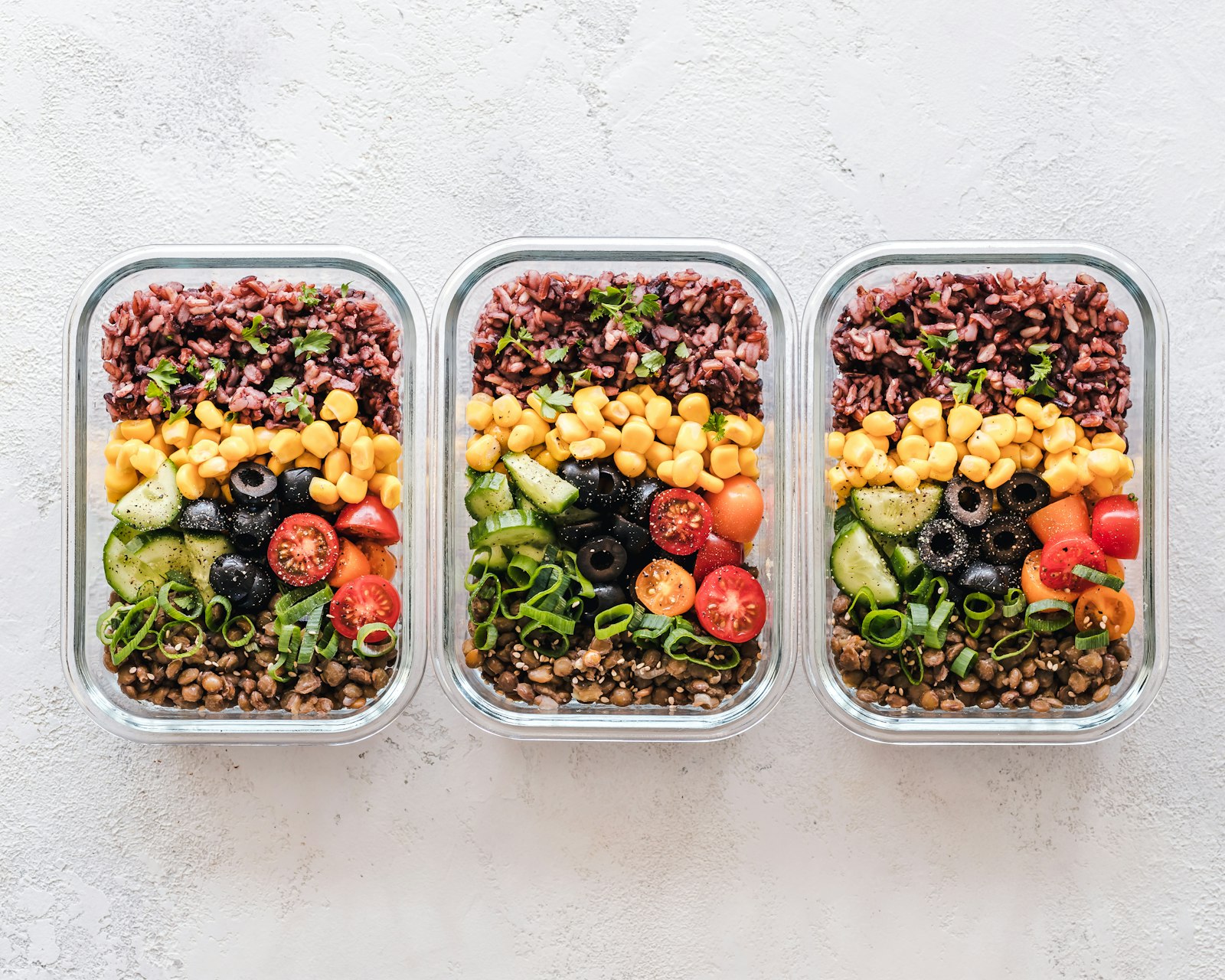
Long workdays make it tempting to order oily takeaway or skip meals altogether. A little preparation at the weekend removes most of that friction and makes the healthy option the easy option.
- Cook a large pot of thick mixed dal and refrigerate in portions for up to three days.
- Wash, chop and store vegetables for two or three bhajis or a mixed sabji.
- Marinate fish or chicken with turmeric, ginger, garlic and a little salt.
- Boil half a dozen eggs for quick breakfasts and office snacks.
- Portion roasted chickpeas, peanuts or muri into small containers to replace packaged snacks.
Spices and the evidence
Turmeric, ginger and garlic: delicious, useful, not magic.
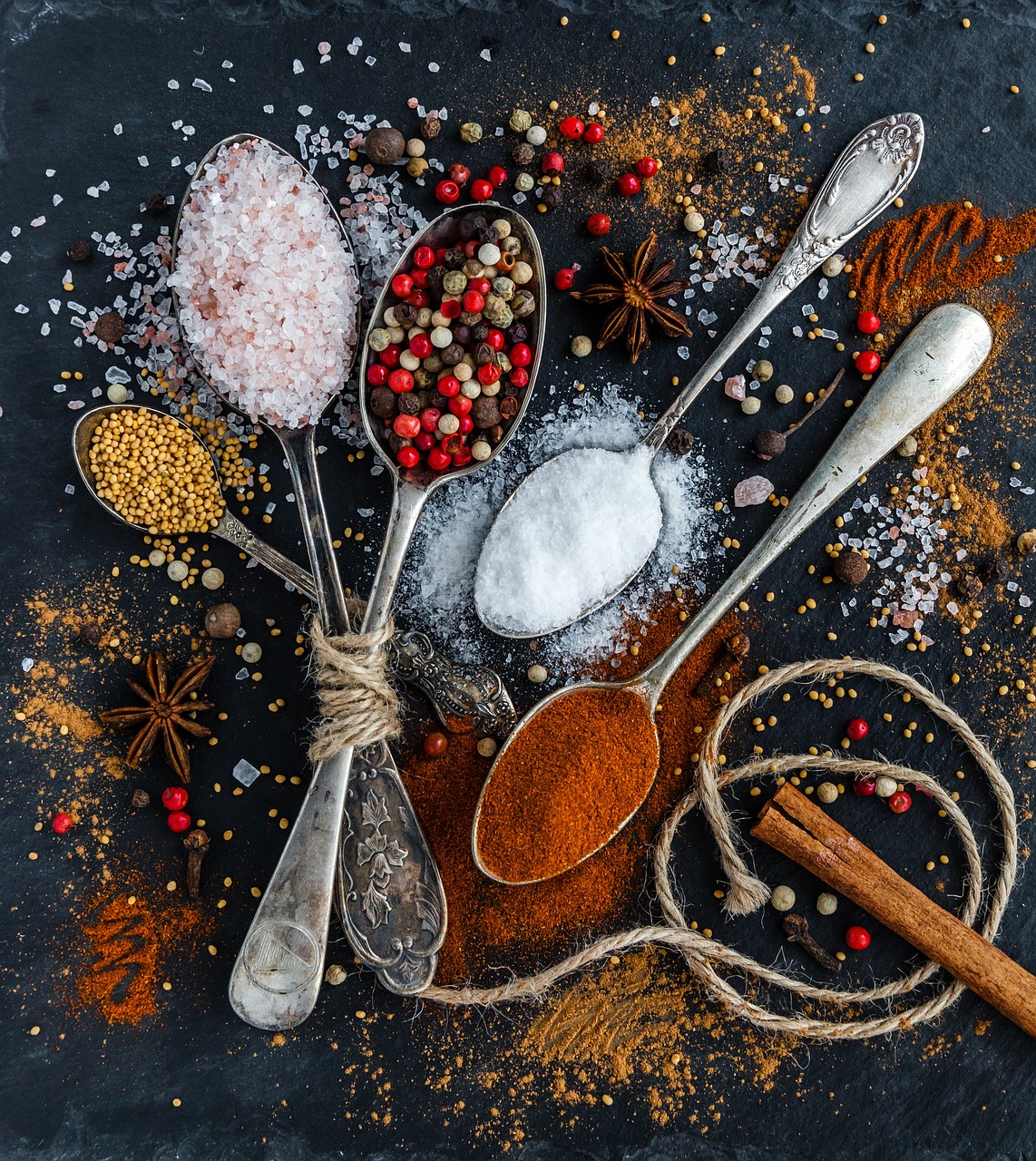
The spice box is one of the great pleasures of Bangladeshi cooking, and it helps you cut salt without losing flavour. Some spices have promising research behind them, but the amounts studied are often far higher than those used in food, and supplements carry their own risks. Enjoy spices generously in cooking; be sceptical of capsules and miracle claims.
- Turmeric (holud): anti-inflammatory compounds studied in research; culinary use is safe, high-dose supplements need medical advice.
- Ginger (ada): reasonable evidence for easing nausea; a pleasant addition to cha and curries.
- Garlic (roshun): may modestly help blood pressure as part of an overall healthy diet.
- Cumin, coriander and mustard seed: big flavour that makes lower-salt cooking satisfying.
A sample day
What a rebalanced weekday can look like.
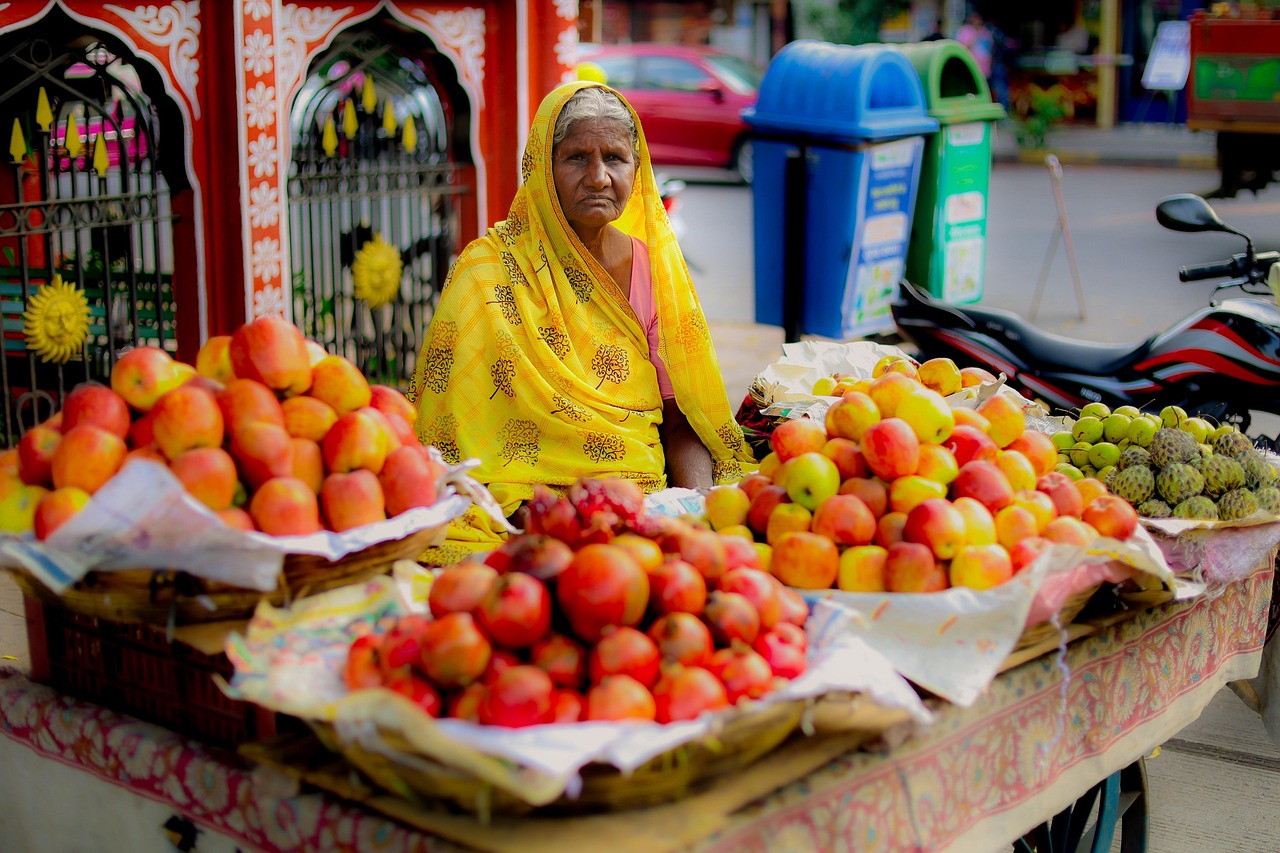
This example suits a moderately active adult with an office job. Adjust portions for your size, activity and health needs. There is nothing special to buy: everything comes from a normal bazar.
7:30 AM
Breakfast
Two atta ruti, mixed vegetable bhaji and a boiled egg, with cha that has half the usual sugar.
11:00 AM
Mid-morning
A guava or banana and a small handful of peanuts or roasted chickpeas.
1:30 PM
Lunch
One cup of rice, thick mug dal with spinach, a piece of rui or chicken curry, cucumber and tomato salad.
5:00 PM
Afternoon
Plain doi with a little fruit, or muri mixed with onion, chilli and lemon instead of fried snacks.
8:30 PM
Dinner
Lighter than lunch: ruti or a small portion of rice, fish or lentils and a large serving of lau or potol.
Ramadan, festivals and everyday questions
Nutrition questions we answer most often.
Food is central to faith, family and celebration in Bangladesh. Healthy eating should work with those moments, not against them.
How can I eat well during Ramadan?
At sehri, choose slow-digesting foods such as ruti, oats, eggs, dal and yogurt, plus plenty of water. At iftar, break the fast with water and dates, then pause before a balanced meal. Limit deep-fried items like beguni and piyaju to a few pieces, and spread fluids across the evening rather than drinking large amounts at once.
Is mustard oil healthier than soybean oil?
Both can be part of a healthy diet. The bigger issue is quantity: most households use far more oil than recipes need. Measure with a spoon, use non-stick pans and favour steaming, baking or light sautéing over deep frying.
How much sugar is too much?
Global guidance suggests keeping free sugars below 10 percent of daily energy, and ideally below 5 percent. In practice, cut back on sweetened cha, soft drinks, packaged juices and daily mishti, and keep sweets for occasions.
Should I take vitamin supplements?
Most people can meet their needs through a varied diet. Some groups, such as pregnant women or people with diagnosed deficiencies, may need supplements. Get a blood test and advice from a doctor rather than buying supplements based on advertisements.
Are brown rice and red rice better than white rice?
Whole-grain and parboiled rice varieties generally contain more fibre and nutrients and may raise blood sugar more gradually. If you prefer white rice, keep portions moderate and pair it with plenty of vegetables and protein.
Keep reading
Nutrition · 8 min
A practical guide to portion sizes, thicker dal, small fish and cutting back on oil and salt.
Nutrition · 6 min
Fluid needs, oral saline, safe water and the warning signs of heat illness.