Updated August 2026 · Nutrition · 8 minute read
Diabetes is now one of the most common long-term health conditions in Bangladesh, and many people living with it have not been diagnosed. South Asian populations tend to develop type 2 diabetes at younger ages and at lower body weights than many other groups, partly because of where the body stores fat. That is a sobering picture, but it comes with real hope: for many people, the risk can be lowered through steady changes to daily habits.
Know your risk factors
- A parent or sibling with diabetes
- Extra weight around the waist, even if your overall weight seems normal
- Physical inactivity and long hours of sitting
- High blood pressure or abnormal cholesterol
- A history of diabetes during pregnancy
- Being over 35, although younger adults are increasingly affected
Get tested
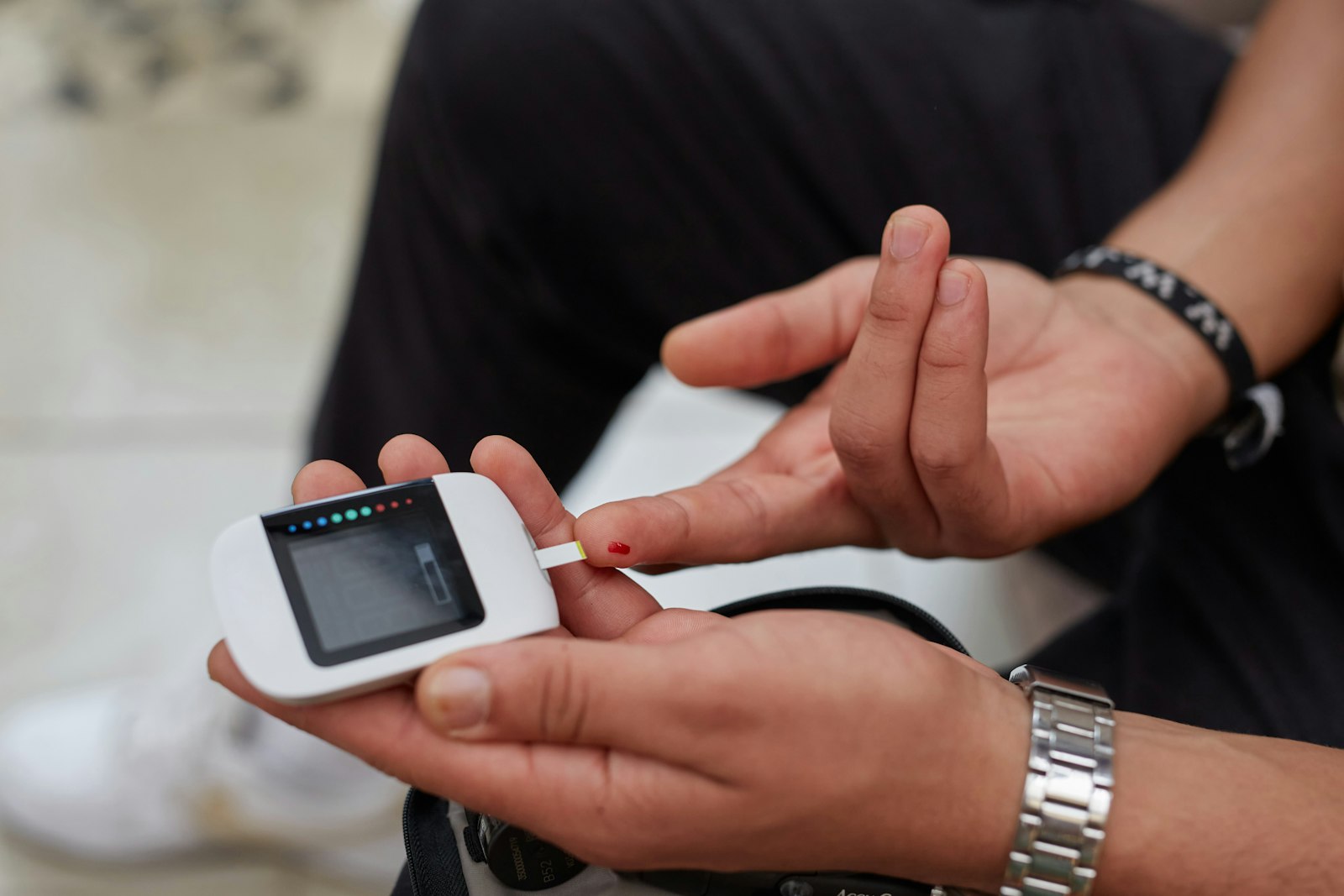
Early stages of raised blood sugar, sometimes called prediabetes, usually cause no symptoms. A simple blood test, such as fasting glucose or HbA1c, can show where you stand. If you have any of the risk factors above, ask a doctor about testing, and repeat it as advised. Symptoms such as excessive thirst, frequent urination, unexplained weight loss, blurred vision or slow-healing wounds need prompt medical attention.
Rebalance, do not abandon, the plate
You do not need to give up rice. Reducing the portion to around one cup of cooked rice per meal, filling half the plate with vegetables, adding a good protein source and choosing parboiled or whole-grain varieties where possible can all help blood sugar stay steadier. Our guide to the rebalanced Bangladeshi plate explains how.
Cut sugary drinks first
Soft drinks, packaged juices, sweetened lassi and very sweet cha deliver large amounts of sugar quickly. Replacing them with water, plain doi, daab pani or less-sweet tea is one of the simplest and most effective changes you can make.
Walk after meals
A 10 to 15 minute walk after lunch or dinner helps muscles take up glucose from the blood. Combined with at least 150 minutes of weekly activity and two strength sessions, regular movement improves the body’s sensitivity to insulin.
Sleep and stress count too
Short or poor-quality sleep and chronic stress both make blood-sugar control harder. Aim for seven to nine hours, keep a regular schedule and use simple stress-relief practices through the day.
A four-week starting plan
- Week 1: replace all sugary drinks with water or unsweetened alternatives.
- Week 2: add a 10-minute walk after your largest meal.
- Week 3: reduce rice by a quarter and add an extra portion of vegetables.
- Week 4: book a blood test if you have risk factors, and add two short strength sessions.
If you already live with diabetes, these habits still help, but always follow your doctor’s treatment plan and discuss any changes to diet or activity, especially if you take insulin or tablets that can cause low blood sugar.
Daily Vita Pulse articles are general health information, not personal medical advice. Read our disclaimer and editorial standards, or explore more guides in our Nutrition hub.