Updated August 2026 · Wellness · 8 minute read
High blood pressure, or hypertension, is often called a silent condition. Most people feel completely normal while their blood vessels, heart, kidneys and brain are under extra strain. In Bangladesh, a large share of adults with high blood pressure do not know they have it, and many who do know are not controlling it well. That matters, because uncontrolled hypertension is one of the leading risk factors for stroke and heart attack.
This guide explains what your readings mean, how to check them properly and which everyday habits make the biggest difference. It is not a substitute for medical care: if your readings are high, please see a registered doctor.
Understanding the two numbers
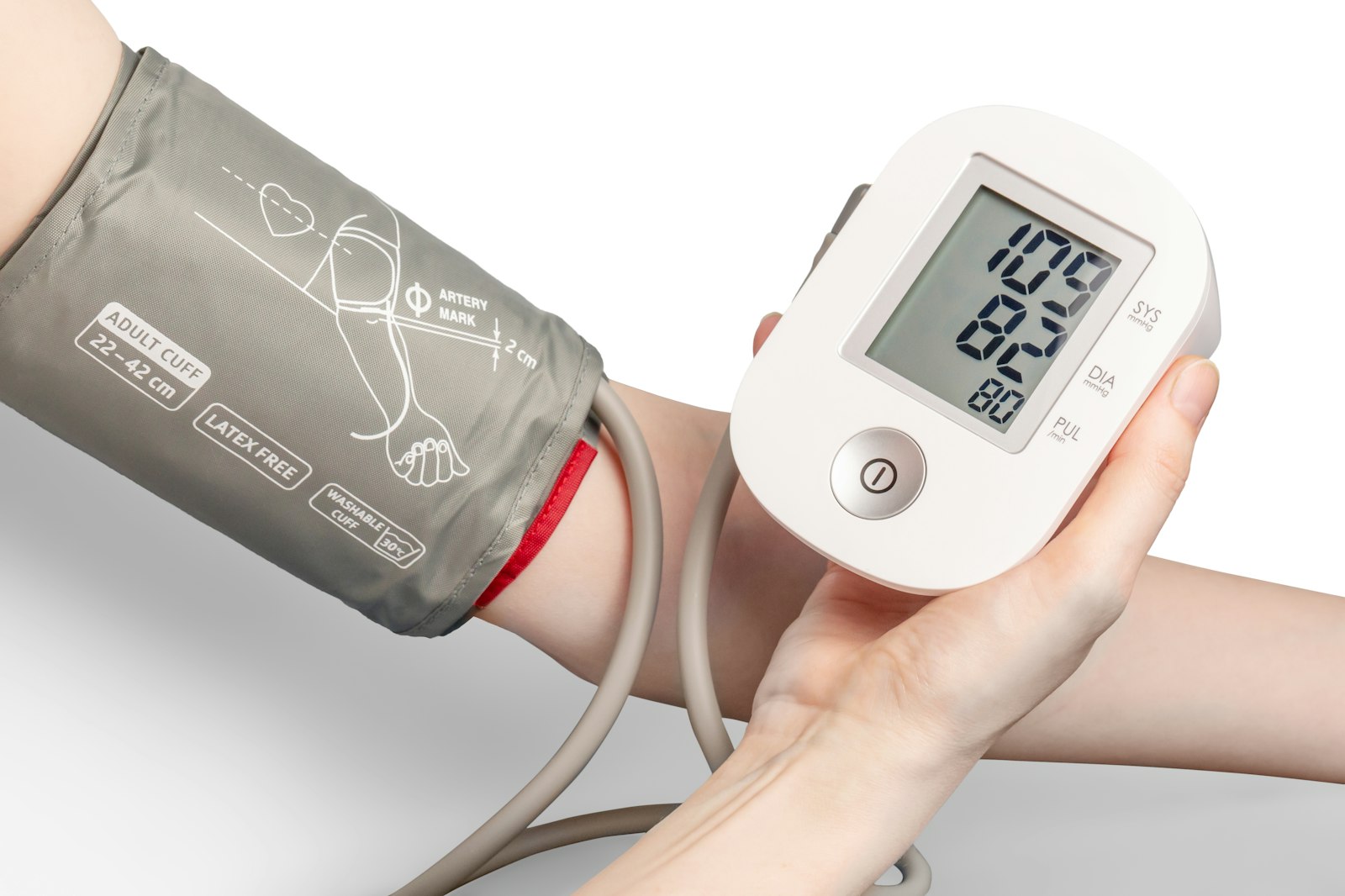
A reading such as 128/82 mmHg has two parts. The top number, systolic pressure, is the pressure in your arteries when the heart beats. The bottom number, diastolic pressure, is the pressure between beats. Doctors use ranges to interpret readings, and exact thresholds vary slightly between guidelines, but as a general guide:
- Below 120/80: generally considered normal for most adults.
- 120 to 139 systolic or 80 to 89 diastolic: elevated or high-normal; a signal to focus on lifestyle.
- 140/90 or higher on repeated readings: usually classed as high blood pressure and needs medical assessment.
- 180/120 or higher: very high. Seek urgent medical care, especially with chest pain, severe headache, breathlessness, confusion or weakness.
A single high reading does not mean you have hypertension. Blood pressure varies through the day, and diagnosis is based on repeated measurements.
How to measure at home correctly
- Avoid cha, coffee, smoking and exercise for 30 minutes beforehand.
- Sit quietly with your back supported and feet flat on the floor for five minutes.
- Rest your arm on a table at heart level, with the cuff on bare skin.
- Do not talk during the measurement.
- Take two readings one minute apart and record both, ideally morning and evening for a week before a doctor visit.
Use a validated, upper-arm automatic monitor with the correct cuff size. Wrist devices are more prone to error.
Salt: the biggest lever in South Asian diets
Global guidance recommends less than 5 grams of salt a day, about one level teaspoon in total. Many people in Bangladesh eat well above this, through salt added during cooking, extra salt at the table, pickles, chanachur, instant noodles and processed snacks. Cutting back gradually lets your taste buds adapt. Use lemon, garlic, ginger, green chilli and fresh herbs to keep food flavourful.
Other habits that help
- Move most days: regular brisk walking can lower blood pressure meaningfully over time.
- Fill half your plate with vegetables: potassium-rich foods such as leafy greens, beans and fruit help balance sodium.
- Manage weight around the waist: even modest weight loss can help.
- Limit tobacco in all forms, including jorda and gul, and avoid secondhand smoke.
- Protect sleep and manage stress: poor sleep and chronic stress both affect blood pressure.
When medication is needed
Lifestyle changes help everyone, but many people also need medicine to reach a safe blood pressure. If your doctor prescribes treatment, take it consistently, even when you feel well, and never stop or change doses without medical advice. Bring your home readings to appointments so your doctor can see the full picture.
Know your numbers. A two-minute check once a month is one of the simplest health habits an adult in Bangladesh can build.
Daily Vita Pulse articles are general health information, not personal medical advice. Read our disclaimer and editorial standards, or explore more guides in our Nutrition hub.