Updated August 2026 · Nutrition · 7 minute read
Somewhere around four o’clock, offices across Dhaka slow down. The peon arrives with a tray of milky cha, a plate of singara or a packet of chanachur appears on someone’s desk, and for fifteen minutes everyone breathes. That shared break matters. It builds friendships, eases tension and gives tired brains a rest.
The trouble is what usually comes with it. Deep-fried snacks, salty mixes and two or three spoons of sugar per cup add up quickly, especially when the same ritual repeats every working day. Over a year, small daily habits like this can contribute meaningfully to weight gain, high blood pressure and blood-sugar problems. The good news is that you can keep the ritual and simply change what is on the plate.
Why afternoon snacks matter
Long gaps between lunch and a late dinner leave many people genuinely hungry by late afternoon. A well-chosen snack can keep energy steady and stop you overeating at night. A poorly chosen one, high in refined flour, oil and sugar, often leads to a short burst of energy followed by a slump. The aim is a snack that combines some protein or healthy fat with fibre.
Simple swaps that still feel like a treat
- Singara or samosa → a small portion of jhal muri with onion, cucumber, tomato and a squeeze of lemon.
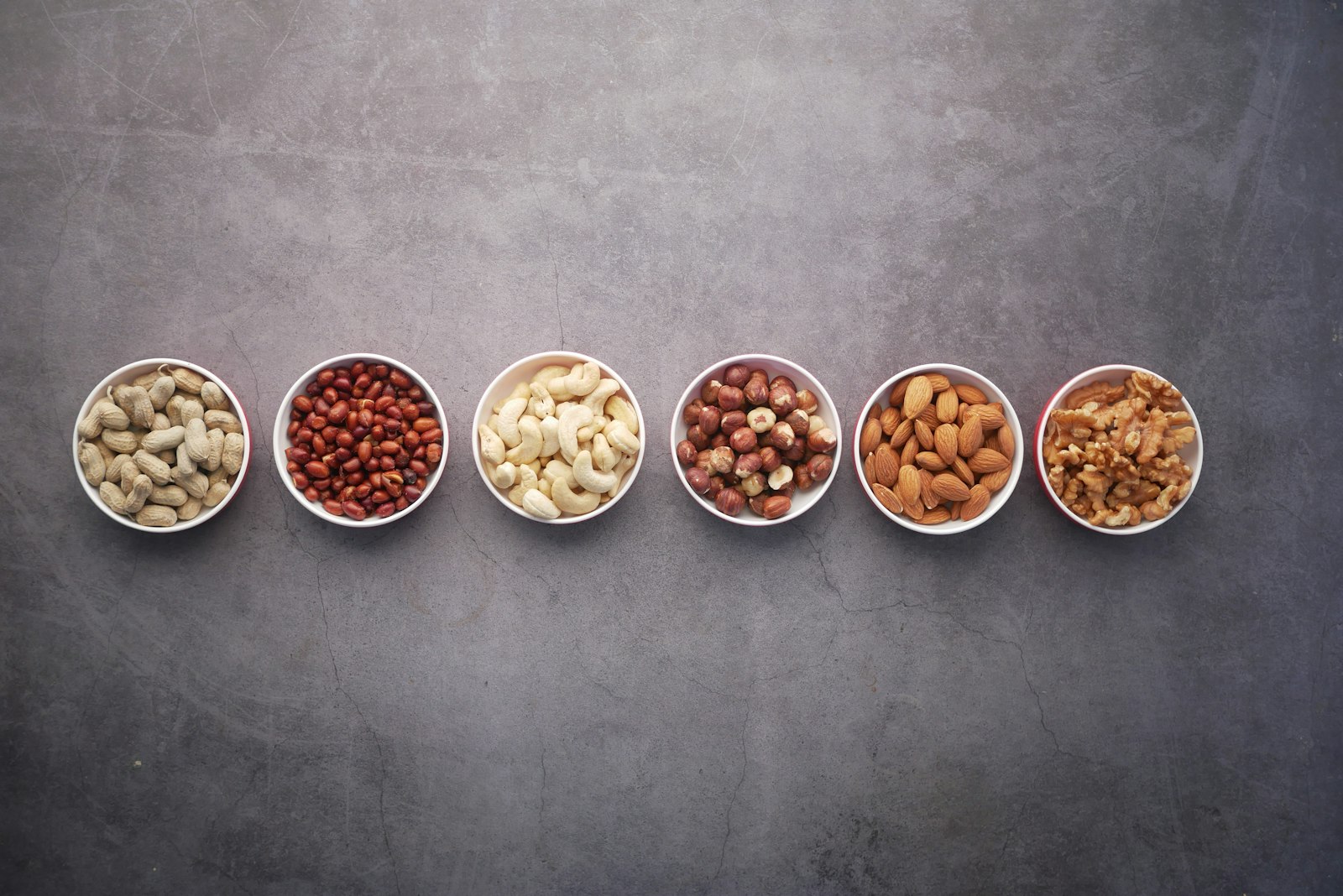
- Fried chanachur → a handful of unsalted peanuts, roasted chana or mixed nuts.
- Cream biscuits → a banana, guava or a few slices of seasonal fruit.
- Packaged juice → water, plain soda with lemon, or daab pani.
- Puri or beguni → a boiled egg sprinkled with black salt and chilli.
Make roasted chana at home
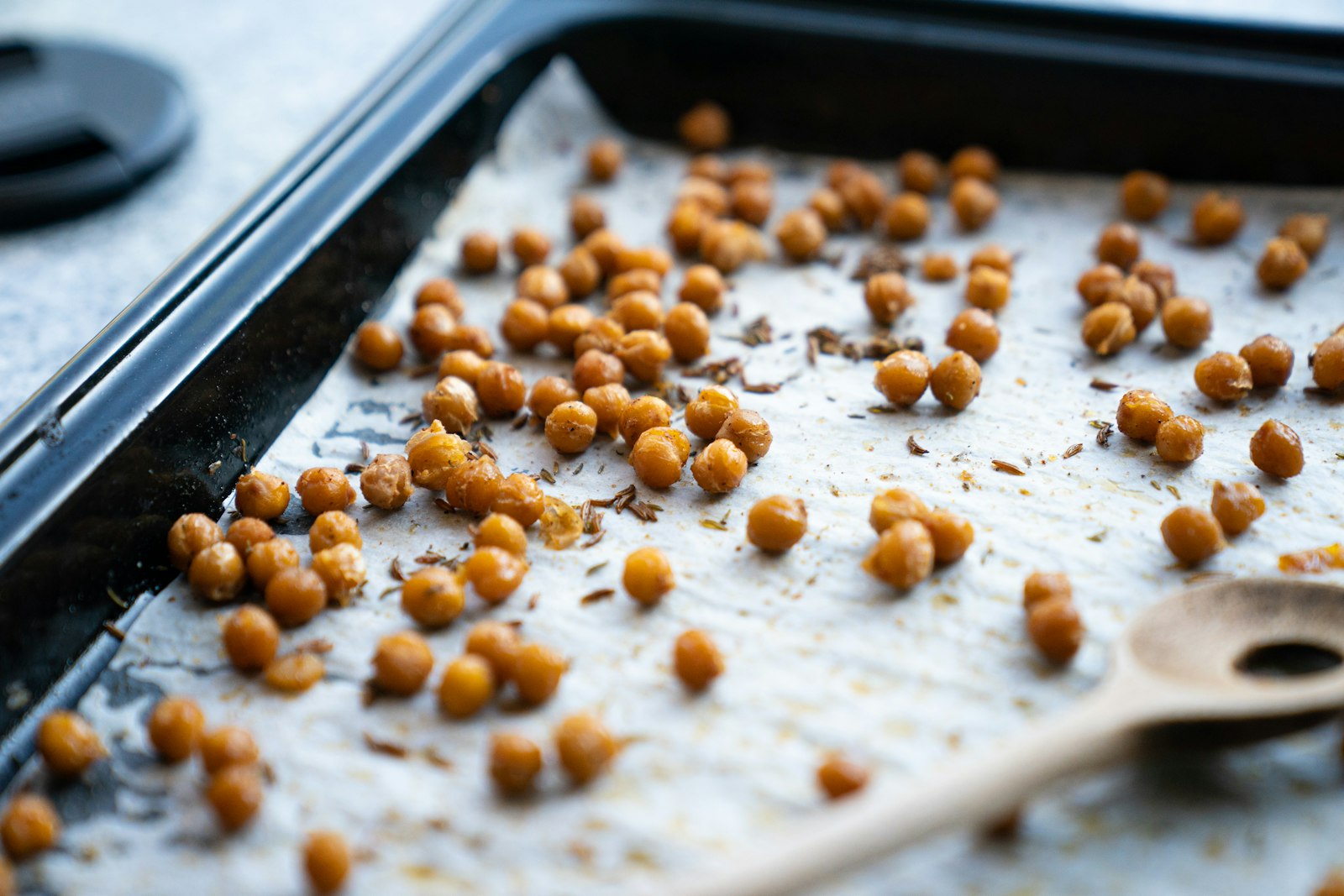
Soak chickpeas overnight, boil until just tender, drain well and pat dry. Toss with a teaspoon of oil, turmeric, chilli powder and a pinch of salt, then roast in an oven or dry-fry in a heavy pan until crunchy. Stored in an airtight jar, they keep for several days and make an excellent alternative to fried mixes.
Rethinking the sugar in your cha
Many people take two or three teaspoons of sugar per cup, and some drink four or five cups a day. Cutting suddenly rarely works, so reduce gradually: drop half a teaspoon each week until you reach one teaspoon or none. Most readers find their taste adjusts within a month and very sweet tea starts to taste too sweet. Adding ginger, cardamom or tulsi gives flavour without sugar.
Stock a healthy desk drawer
- Unsalted peanuts, almonds or mixed seeds in small containers
- Roasted chana or puffed rice (muri) without added oil
- Seasonal fruit that travels well, such as bananas, guava and amra
- Plain biscuits made with whole wheat, in moderation
- A refillable water bottle on the desk at all times
Portion size still matters
Nuts are nutritious but energy-dense. A small handful, about 30 grams, is a sensible portion. Pre-portioning snacks into small boxes at home stops you finishing a whole packet during a long meeting.
Bring colleagues along
Office habits are shared habits. Suggest a fruit plate on Thursdays, rotate who brings muri or roasted chana, or ask the office canteen to offer one baked option alongside the fried ones. Small changes become easier when the whole team makes them together.
Daily Vita Pulse articles are general health information, not personal medical advice. Read our disclaimer and editorial standards, or explore more guides in our Nutrition hub.