Updated August 2026 · Fitness · 7 minute read
Global health guidelines recommend that adults get at least 150 minutes of moderate-intensity activity every week, plus muscle-strengthening work on two or more days. On paper that is just over 20 minutes a day. In practice, for someone commuting from Mirpur to Gulshan in August, it can feel like an impossible demand. The heat is punishing, footpaths are crowded and the evening is swallowed by traffic.
The trick is to stop thinking of exercise as a single, heroic session and start thinking of movement as something you collect in small pieces throughout the week. Research consistently shows that short bouts add up, and that any movement is better than none.
Use the building you already have
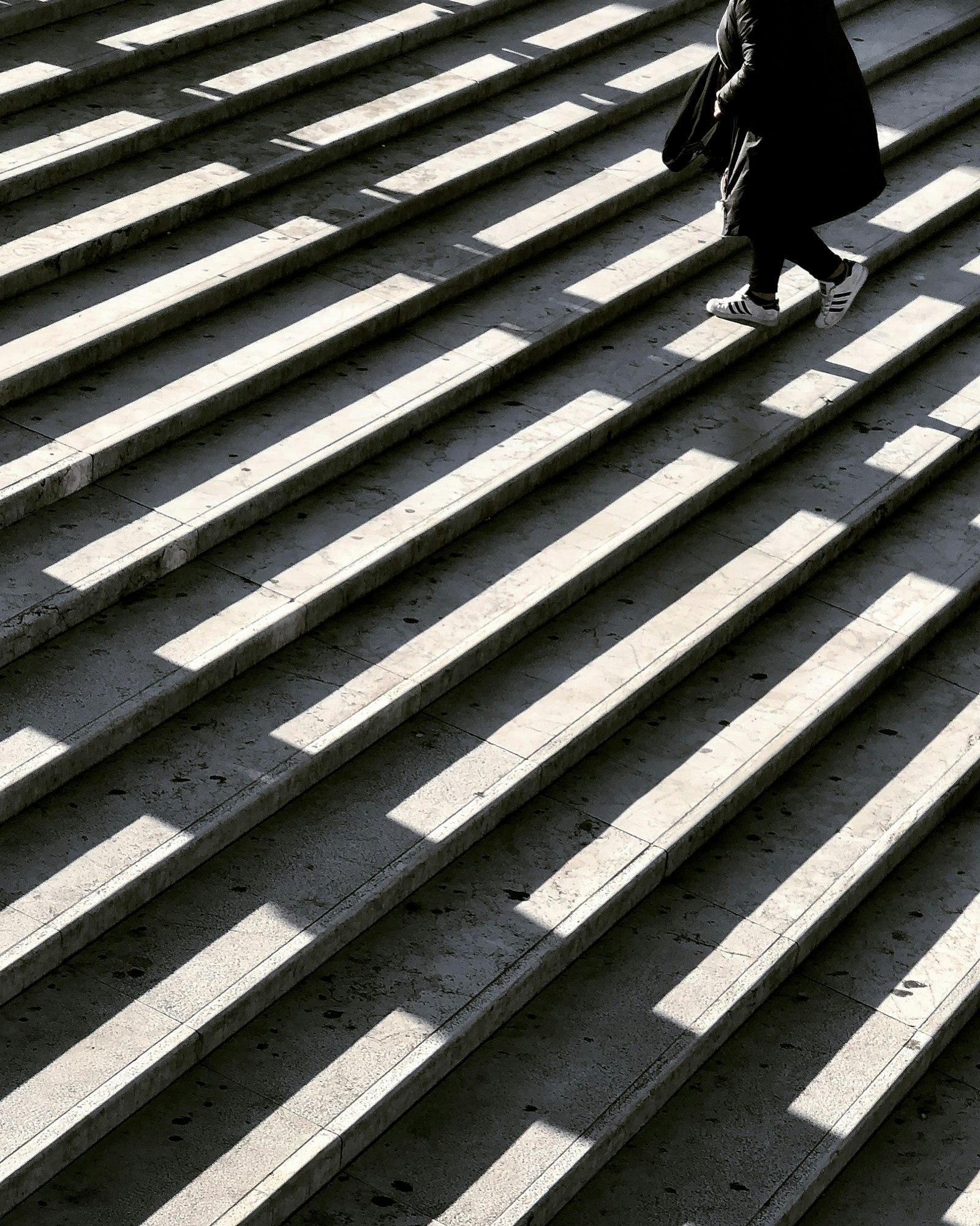
Most Dhaka apartments and offices are in multi-storey buildings, which means you have a free stair machine. Climbing stairs is a vigorous activity that raises heart rate quickly. Start with two or three flights at a comfortable pace, then build up to ten minutes of continuous stair walking, taking the lift back down to protect your knees. Three ten-minute stair sessions a week already gives you half an hour of vigorous work.
Rooftop sessions before the heat
Between six and seven in the morning, many rooftops are shaded and noticeably cooler. A simple circuit of squats, wall push-ups, lunges, glute bridges and a plank, repeated three times, takes about 20 minutes and covers your strength needs for the day. Keep a bottle of water and a small towel there so the habit has fewer barriers.
The lunch-break walk
If your office is near a park, a lake path or even a quieter residential road, a 15-minute walk after lunch does more than burn energy. Walking after a meal helps blunt the rise in blood sugar that often follows a rice-heavy lunch, and it can lift the afternoon slump. Invite a colleague; accountability makes it far more likely you will keep going.
A sample week
- Saturday: 30-minute brisk walk in a park or along Hatirjheel in the early morning.
- Sunday: 20-minute rooftop strength circuit.
- Monday: 15-minute lunch walk plus 10 minutes of stairs.
- Tuesday: 20-minute rooftop strength circuit.
- Wednesday: 15-minute lunch walk plus 10 minutes of stairs.
- Thursday: 25 minutes of cycling, badminton or a home workout video.
- Friday: Rest or a gentle family walk after Jumu’ah.
Add it up and you are past 150 minutes, with two strength days included, without ever setting foot in a paid gym.
Exercising safely in the heat
Dhaka summers bring high temperatures and humidity, which makes heat illness a real risk. Train early or after sunset, drink water before you start, wear light breathable clothing and stop immediately if you feel dizzy, nauseous or develop a headache. If you have a heart condition, high blood pressure or diabetes, speak to your doctor before increasing your activity.
Track it, loosely
You do not need a smartwatch. A simple tick on a wall calendar for each 10-minute block is enough to show progress and keep you honest. After four weeks, most readers tell us the routine stops feeling like a chore and starts feeling like part of the day.
For more routines, visit our Fitness hub or try the 30-day reset plan. This article is general information, not medical advice; see our disclaimer.