- Home
- /
- Fitness & Movement
Pillar 01 · Fitness & movement
Movement that fits a Dhaka day, not the other way round.
No expensive gym, no punishing bootcamp. Just realistic walking, strength and mobility routines designed around long commutes, small apartments, rooftops and hot, humid weather.
The weekly movement map
150 minutes, broken into pieces you can actually keep.
Global physical-activity guidelines recommend that adults do at least 150 minutes of moderate activity a week, or 75 minutes of vigorous activity, plus muscle-strengthening work on two or more days. That target sounds intimidating until you realise it can be collected in ten- and fifteen-minute blocks.
The map on this page is a starting point, not a prescription. Swap days around your work schedule, prayer times and family commitments. If you miss a session, do not try to double up the next day. Simply carry on with the plan. Consistency over months matters far more than any single workout.
- Moderate means you can talk but not sing
- Vigorous means you can only say a few words at a time
- Two strength days protect muscle, bones and blood-sugar control
| Day | Focus | Time | Where |
|---|---|---|---|
| Saturday | Brisk walk or easy jog | 30 min | Park or lakeside path, before 7 AM |
| Sunday | Full-body strength | 20 min | Rooftop or living room |
| Monday | Lunch walk + stairs | 25 min | Office block |
| Tuesday | Mobility and stretching | 15 min | Bedroom floor |
| Wednesday | Full-body strength | 20 min | Rooftop or living room |
| Thursday | Play: badminton, cycling, football | 30 min | Court, field or quiet road |
| Friday | Rest or a family walk | Optional | Neighbourhood |
Tip: print this table and tick each block as you finish it. Most readers find the visual record more motivating than any app.
Three kinds of training
Balance your week across cardio, strength and mobility.
Each type of movement does a different job. Cardio trains the heart and lungs, strength protects muscle and metabolism, and mobility keeps joints comfortable after long hours sitting at a desk or in traffic.
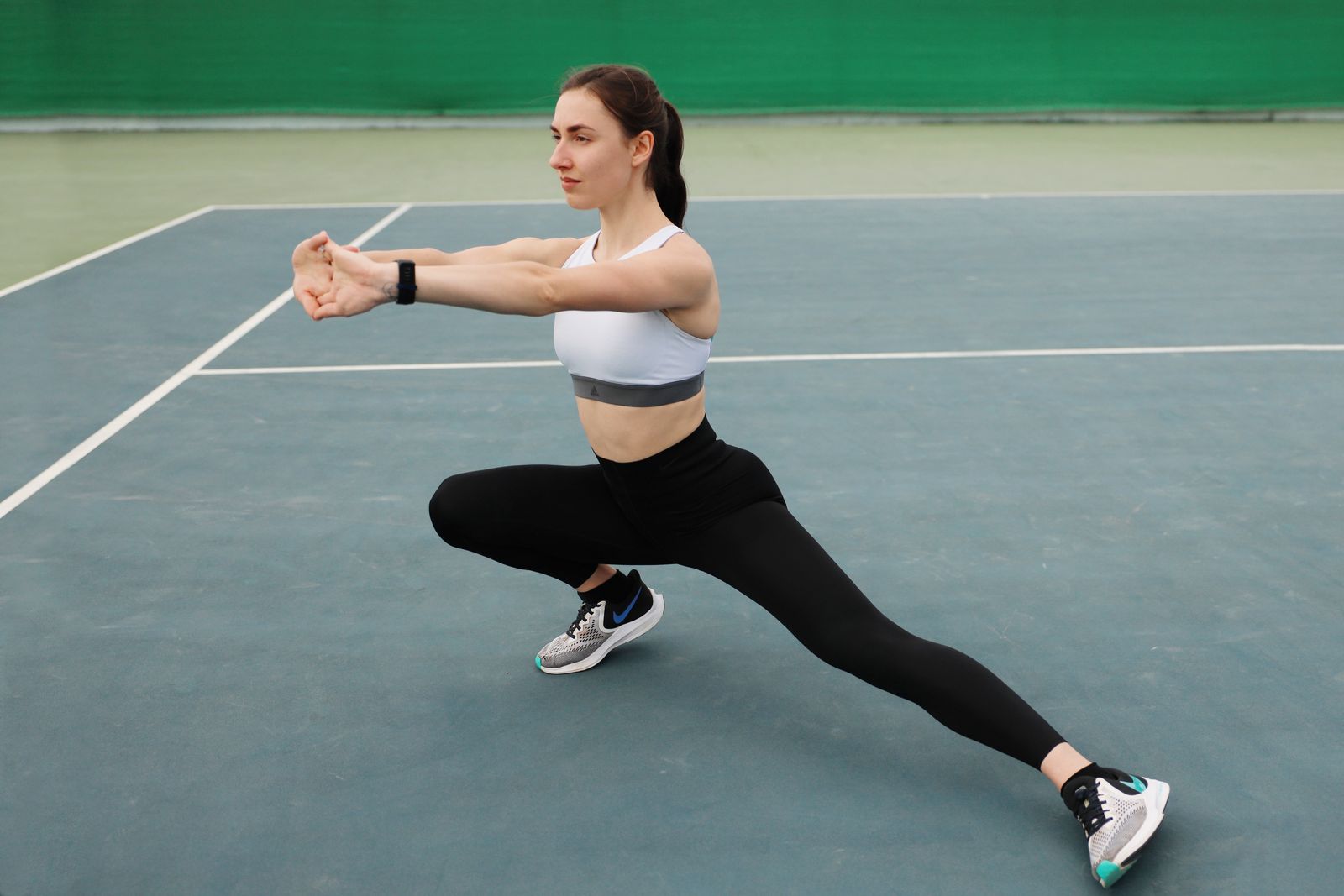
Type A · Mobility
Mobility & stretching
Ten to fifteen minutes of gentle stretching counters stiff hips, tight shoulders and the forward head posture that comes with phone and laptop use.
- Hip flexor lunge stretch
- Cat-cow for the spine
- Doorway chest opener
- Neck and shoulder rolls

Type B · Strength
Strength training
Bodyweight or simple equipment, twice a week. Strength work supports healthy ageing, posture and blood-sugar control, especially important in South Asian populations.
- Squats and chair stands
- Push-ups on a wall or table
- Glute bridges
- Rows with a filled backpack
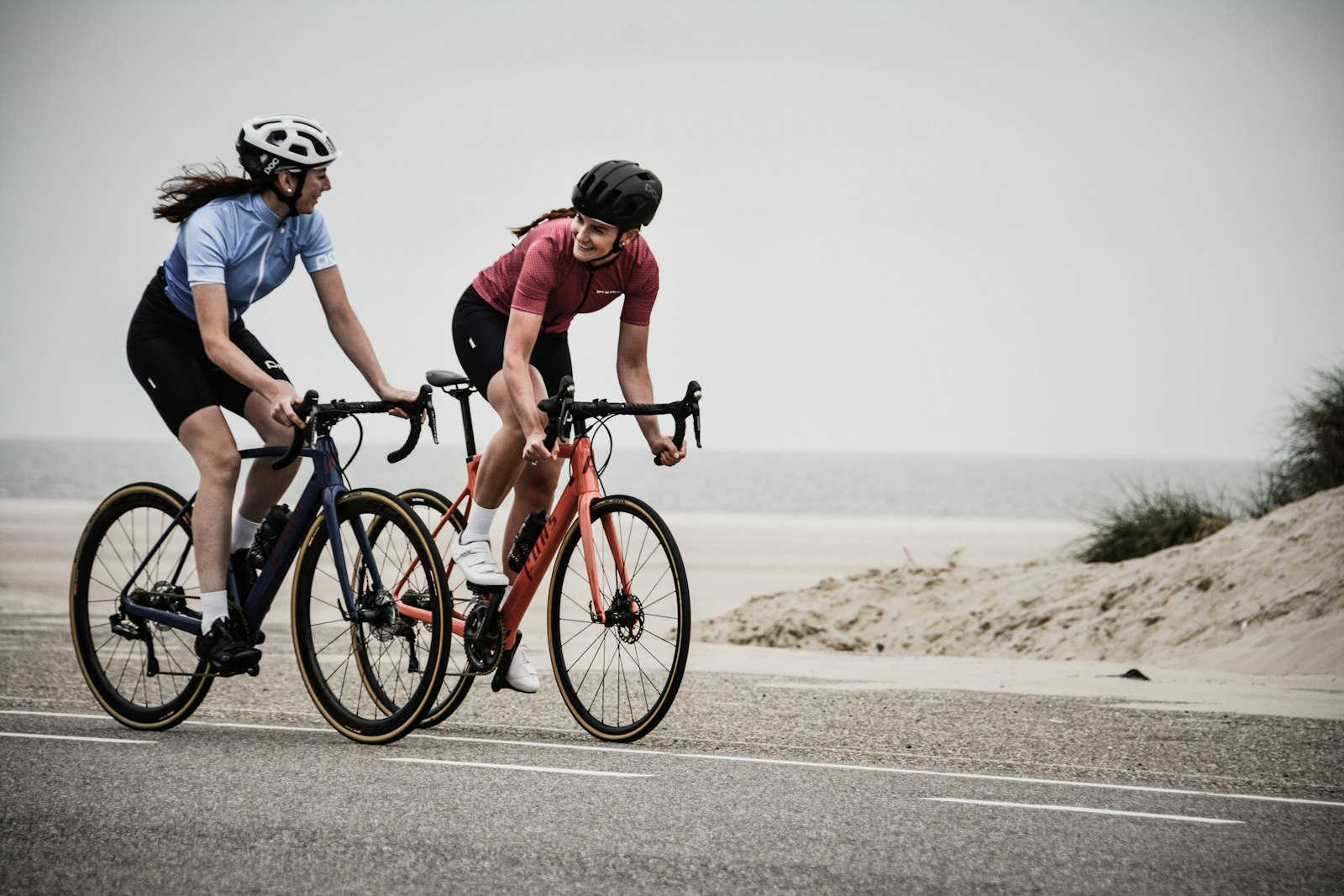
Type C · Cardio
Cardio & play
Brisk walking, cycling, swimming, badminton or football. Choose what you enjoy, because enjoyment is the strongest predictor of sticking with it.
- Brisk walking in parks
- Stair climbing
- Cycling on quiet roads
- Weekend sport with friends
Choose your starting level
Start where you are, not where you think you should be.
Pick the description that sounds most like you today. You can move up a level after four comfortable weeks. If you have a medical condition, are pregnant or have been inactive for a long time, check with a doctor first.
You are mostly sitting and rarely exercise.
- Walk 10 minutes a day, five days a week, at a pace that makes you breathe a little harder.
- Two short strength sessions using a chair: sit-to-stand, wall push-ups and glute bridges, 2 sets of 8.
- Five minutes of stretching before bed.
- Goal after four weeks: 20-minute walks and 3 sets of each strength move.
You used to be active and want to rebuild.
- Three 25-minute brisk walks or easy jog-walk intervals a week.
- Two full-body strength sessions: squats, incline push-ups, lunges, rows and planks, 3 sets of 10.
- One mobility session of 15 minutes.
- Goal after four weeks: a continuous 30-minute session and full push-ups from the knees or floor.
You already move most days and want structure.
- Two vigorous cardio sessions of 25 to 30 minutes, such as running, cycling or stair intervals.
- Two or three strength sessions using backpacks, bands or dumbbells, progressing load each week.
- One long, easy session at the weekend for recovery.
- Goal: maintain variety, sleep well and add rest days when you feel run down.
Heat, safety and common sense
Training safely in a hot, humid city.
From April to October, heat and humidity in Bangladesh can make even a moderate workout risky. Plan sessions for early morning or after sunset, choose shaded or indoor spaces, and drink water before you feel thirsty. Air quality also matters: on days when pollution is high, move indoors and keep the intensity gentle.
- Stop immediately if you feel chest pain, dizziness, unusual breathlessness or palpitations.
- Headache, nausea, confusion or hot dry skin may signal heat illness. Cool down and seek help.
- Warm up for five minutes and cool down for five. It reduces injury risk and soreness.
- Wear supportive shoes and light, breathable clothing; avoid training straight after a heavy meal.
- People with heart disease, diabetes, high blood pressure or joint problems should get personalised advice first.

Kit list
Everything you need costs less than a month of gym fees.
You do not need specialised equipment to get fitter. A few affordable basics, most available at local markets, are enough for years of progress.
- Supportive walking or running shoes
- A refillable water bottle
- A thin exercise mat or folded blanket
- A sturdy chair and a wall
- A backpack you can fill with books
- A resistance band, if you want variety
Keep reading
Fitness · 7 min
A realistic, gym-free plan built around commutes, office stairs and early rooftop sessions.
Fitness · 9 min
From wall push-ups to full-body circuits using only a chair, a wall and your own body weight.
Programme · 30 days
Four gentle weeks that combine movement, plate balance, hydration and sleep into one plan.