- Home
- /
- Editorial Standards
Editorial standards
How we research, review and correct what we publish.
Health information affects real decisions. These standards explain where our advice comes from, who checks it, how we keep it current and how we stay independent from advertisers and sponsors.
Last reviewed: August 2026
Our principles
Six commitments behind every article.
01
Accuracy first
Every factual health claim is supported by a credible source. Where evidence is limited, mixed or emerging, we say so plainly rather than overstating certainty.
02
Plain language
We write for intelligent readers without medical training. Technical terms are explained, and we avoid jargon that hides meaning.
03
Context for Bangladesh
Guidance is adapted to local foods, climate, culture, budgets and health-system realities, while staying true to the underlying evidence.
04
Harm avoidance
We do not promote extreme diets, unproven supplements, dangerous challenges or body-shaming. We never encourage readers to stop prescribed treatment.
05
Clear limits
Our content is general education. Articles state when a symptom or situation needs professional assessment instead of self-care.
06
Transparency
Updated dates, correction notes and our ownership and funding are visible. If we have a conflict of interest, we disclose it.
Review process
Five stages between a draft and your screen.
Not every article needs the same level of review. A guide to stretching after work is different from an article about blood pressure. Content that discusses diagnosis, treatment, medication or specific medical conditions always receives professional review before publication.
Research brief
The writer gathers guidance from recognised health bodies and peer-reviewed research and lists every source.
Drafting
The article is written in plain language, adapted to local context, with clear safety notes.
Fact check
An editor checks every claim against its source and removes anything that cannot be supported.
Expert review
Medical and clinical topics are reviewed by a qualified health professional for accuracy and safety.
Ongoing updates
Articles are revisited regularly and updated when guidance changes or readers report problems.
Where our information comes from
A hierarchy of sources, strongest first.
We give the most weight to sources that summarise large bodies of evidence, and we are cautious with single studies, especially small ones, animal studies and research funded by companies selling the product being studied.
- Guidelines from the World Health Organization and national health authorities
- Systematic reviews and meta-analyses in peer-reviewed journals
- Large, well-designed clinical trials and long-term cohort studies
- Professional bodies and university medical centres
- Smaller or early-stage studies, reported with clear caveats
We do not use anonymous blogs, product marketing, social media posts or testimonials as evidence for health claims.

Independence and accountability
Corrections, advertising and the tools we use.
Corrections policy
If we get something wrong, we fix it quickly and say so. Significant corrections are noted at the end of the article with the date and a short explanation. Minor spelling or formatting changes are made without notes. To report an error, email info@dailyvitapulse.com with the article link and the issue; we aim to respond within five working days.
Advertising and sponsorship
Editorial decisions are made independently of any advertiser, sponsor or partner. Sponsored content, if we ever publish it, will be clearly labelled. We do not accept payment to recommend medicines, supplements or medical services, and advertisers never review articles before publication.
Images and illustrations
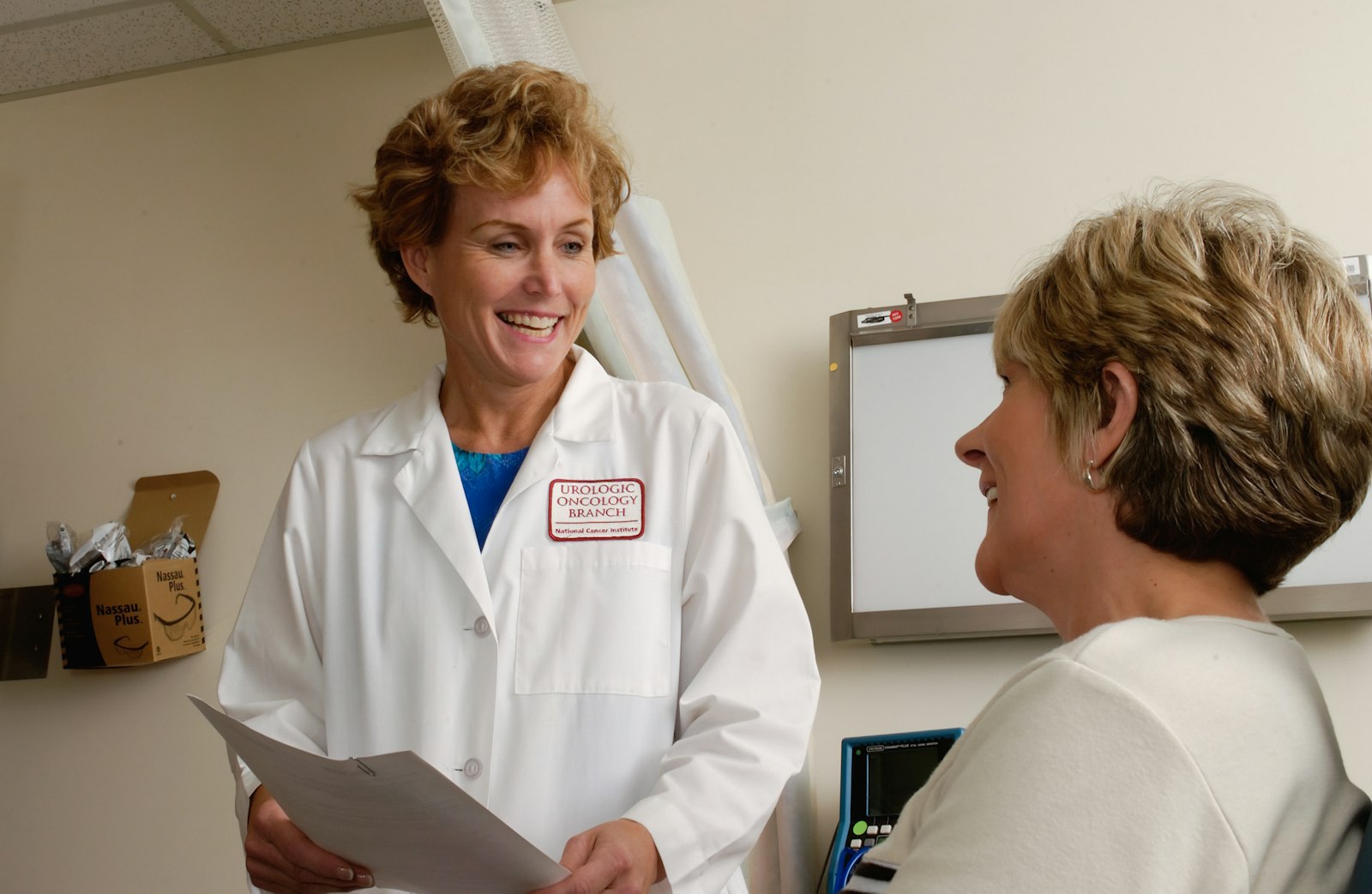
We use real photographs from licensed free stock libraries such as Unsplash, Pexels and Pixabay, chosen to illustrate topics respectfully. Images are illustrative and do not show the people mentioned in an article unless clearly stated.
Technology and writing tools
Editors may use digital tools to help with spelling, formatting or summarising research, but every published article is written, checked and approved by people, and every health claim is verified against original sources before publication.

Questions about our standards?
Health professionals, researchers and readers are welcome to challenge our work. If you think an article is inaccurate, outdated or missing important context, we want to hear from you.