Updated August 2026 · Mind & Sleep · 7 minute read
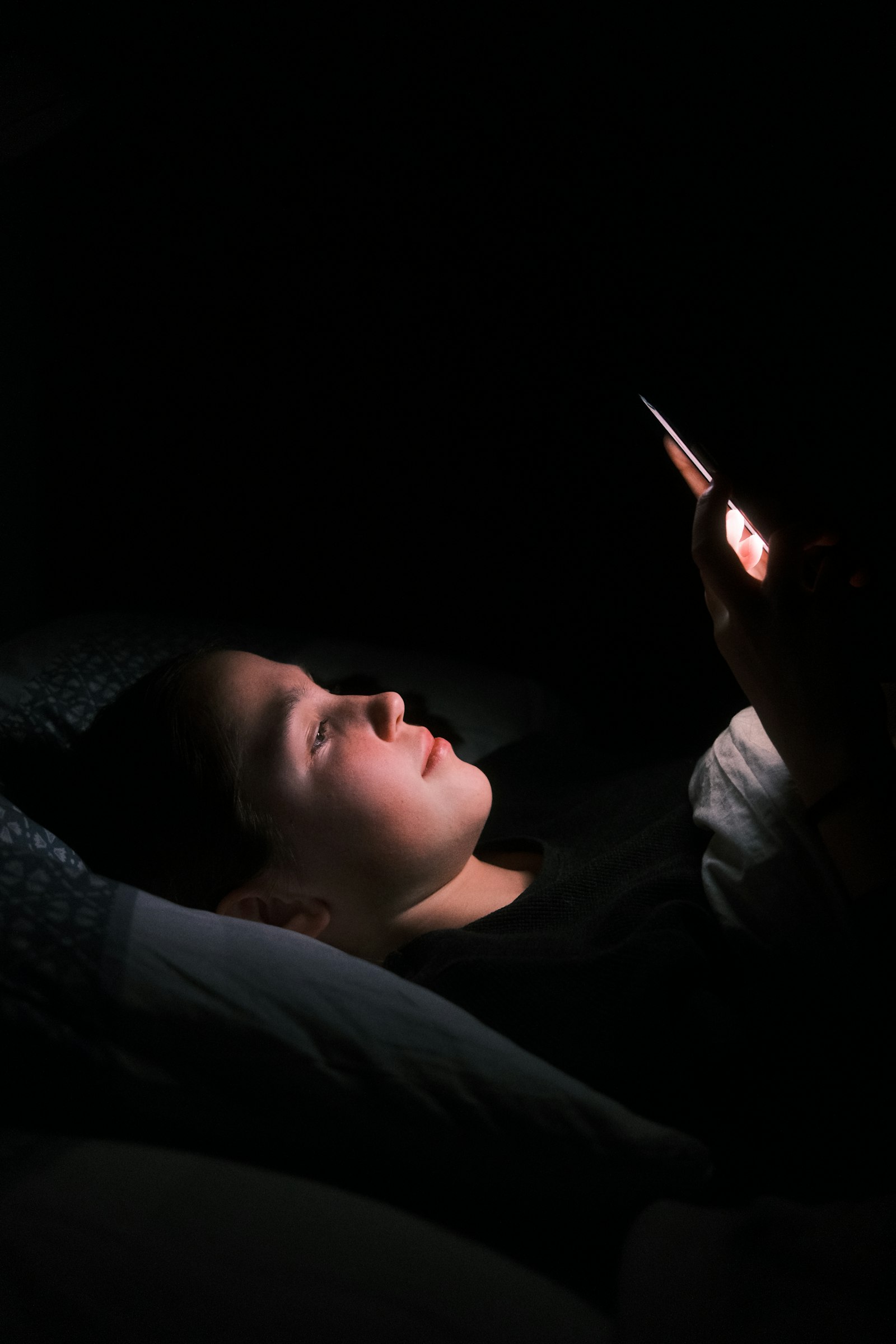
It usually starts innocently. You get into bed, pick up the phone to set an alarm, and an hour later you are still scrolling through short videos, news and family group chats. Your eyes are tired, your mind is busy and the time you meant to spend sleeping has quietly disappeared. If this sounds familiar, you are far from alone.
Why evening screens affect sleep
Phones keep the brain alert in several ways. Bright light in the evening can delay the body’s natural signals for sleep. Content designed to be engaging, from endless feeds to notifications, keeps attention switched on. Stressful messages or news late at night can also raise emotional arousal just when you need to settle. Together, these make it harder to fall asleep and can reduce the quality of the sleep you get.
A step-by-step plan
- Week 1, notice: check your screen-time report and note when evening use is highest. Do not change anything yet.
- Week 2, charge elsewhere: move the charger out of the bedroom and use a simple alarm clock.
- Week 3, set a curfew: no phone in the last 30 minutes before bed, extending to 60 minutes if it feels manageable.
- Week 4, protect the morning: avoid checking messages for the first 20 minutes after waking.
Settings that make it easier
- Turn on a bedtime or focus mode that silences non-urgent notifications.
- Switch the display to greyscale after 9 PM; colourful feeds become far less tempting.
- Remove social media apps from the home screen.
- Set daily limits for the apps you lose the most time to.
- Mute busy group chats overnight and let family know when you are offline.
What to do instead
A detox works better when you replace the habit rather than simply resist it. Read a physical book or magazine, write three lines in a journal, do gentle stretches, pray, talk with family, listen to calm audio on a speaker away from the bed, or prepare tomorrow’s clothes and lunch. Choose something you genuinely enjoy.
Mood benefits beyond sleep
Many readers who reduce evening phone use report feeling less anxious and more present with family. Constant comparison and a stream of worrying news can affect mood, so carving out screen-free time each day can be good for your mental health as well as your sleep.
Be kind to yourself
Phones are part of modern life and work, and some evenings will be busy. The aim is not perfection but a healthier default. If sleep problems or low mood persist despite good habits, speak to a doctor or mental-health professional.
Daily Vita Pulse articles are general health information, not personal medical advice. Read our disclaimer and editorial standards, or explore more guides in our Mind & Sleep hub.